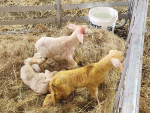
Beef + Lamb NZ's Lambing Kit Checklist for a Tough Season
With lambing underway in many regions, Beef + Lamb New Zealand is encouraging farmers to put together a wellequipped lambing kit to help minimise lamb losses, particularly in bad weather.
 increase font size
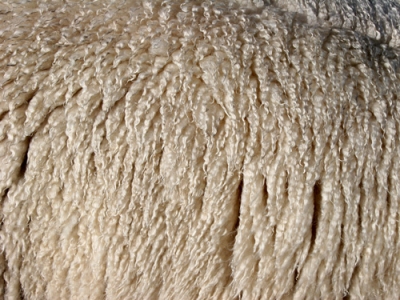
Wool prices eased for most types again this week for the North Island, says NZ Wool Services International marketing executive, Malcolm Ching.
The North Island offering was at 6,100 bales with 90 % of the selection sold with most growers meeting the market.
Compared to the last sale on 22nd October, the weighted indicator for the main trading currencies firmed by 0.47%.
This had minimal impact as restricted demand continues to be the main market driver.
Fine Crossbred Full Fleece eased 1.5 to 4% with shorter types ranging from firm to 4% cheaper.
Good colour Coarse Full Fleece came down 3.5% with longer shears 1.5 to 4% easier.
Shorter Shears fared better as local demand underpins them, with 3 to 4 to 2 to 3 inch wools firm to buyers favour.
Good colour Short Oddments were 3.5% easier.
There is limited competition with Europe and China principals for the fine crossbred wools and Australasia is dominating the coarse wools. Limited support from elsewhere.
Next sale on 5th November comprises of approximately 5,400 bales from the South Island.
With lambing underway in many regions, Beef + Lamb New Zealand is encouraging farmers to put together a wellequipped lambing kit to help minimise lamb losses, particularly in bad weather.

New Zealand wool is reaching new heights as air filtration companies move away from synthetic products to biodegradable alternatives.
Will a stronger, more coordinated voice help rebuild confidence and improve returns in the wool sector?
OPINION: Confidence in the wool sector is rebounding as prices hit levels not seen in more than 15 years.
The recently signed free trade agreement with India is an invitation to strengthen relationships between the New Zealand and Indian strong wool industries, says Wool Impact chief executive Andy Caughey.

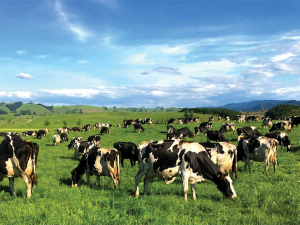
Most dairy regions around the country have had a pretty good season so far says Tracy Brown.
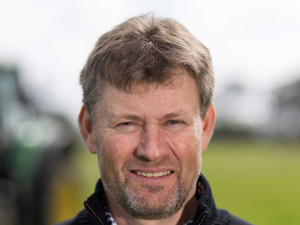
Rural leader Mark Hooper has been appointed as an independent director to the NZPork board, bringing extensive farming, governance and advocacy experience to the role.
Opportunity says its land value tax (LVT) is unlikely to force farmers into a position where asset sales or increased debt are required.
Milk powder prices are keeping farmgate prices up, helping processors offset the dip in milk fat prices.
Climate, nature and animal wellbeing make up Fonterra's refreshed sustainability roadmap released last week.
The Government is introducing a new nationwide rural recycling scheme that will significantly increase the recovery of farm plastics from March next year, Minister for the Environment Nicola Grigg announced today.
