
Diplomatic Incident
OPINION: Your old mate hears an international incident is threatening to blow up the long-standing Anzac alliance as Kiwis and Aussies argue over who wants new Australian resident and former NZ Prime Minister Jacinda Ardern.
 increase font size
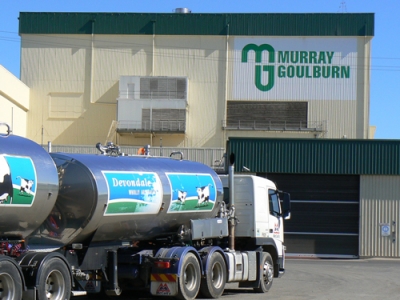 Murray Goulburn.
Australia's largest dairy co-op has voted to adopt Fonterra’s TAF-style capital structure.
At this month’s special meeting, 92% of votes cast were in favour of implementing the capital structure; at least half the co-op’s 2500 shareholder voted.
MG will issue TAF-like share units to investors in a bid to raise A$500 million to fund growth, listing on the ASX within two months.
However, unlike TAF – where the manufacturing and dividend-paying side of Fonterra in theory benefits from a low milk price because it means a lower input cost – MG says an improved farmgate milk price will remain its primary goal.
The MG vote comes after 12 months of talks with farmer shareholders.
MG chairman Philip Tracy says the ‘yes’ vote takes MG a critical step closer to achieving its goal of raising A$500 million to fund capital investments to keep paying higher milk prices.
“The strength of the vote demonstrates that MG’s suppliers are not only overwhelmingly in favour of the new capital structure, but also see the growth that lies ahead for dairy foods.
“They see the opportunity that Asia presents and support MG’s growth and value creation strategy.
“From the outset, the board believed it was important to involve MG supplier shareholders in the capital structure development process and after 18 months of [talks], including five rounds of supplier meetings, what we saw today was a co-op in unison and alignment. I am enormously proud of the process undertaken to develop the capital structure.
“We will [now] move forward with the various offers to eligible suppliers and external investors to invest in MG’s future, with the aim of completing the fundraising process and listing the MG Unit Trust on the Australian Securities Exchange in July.”
The sharemarket listing will include a Friends of MG offer of units, providing priority allocation of units to existing and former suppliers, MG employees and local residents in MG’s dairy regions.
The rest of the capital would be raised through offers of shares to MG suppliers called the supplier share offer and supplier priority offer.
MG managing director Gary Helou says the vote represents a vote of confidence in MG’s growth and value creation to transform the business and improve farmgate returns.
OPINION: Your old mate hears an international incident is threatening to blow up the long-standing Anzac alliance as Kiwis and Aussies argue over who wants new Australian resident and former NZ Prime Minister Jacinda Ardern.

OPINION: Your old mate hears that at a recent China Business Summit, PM Christopher Luxon delivered a none-too-subtle "could try harder" report card on the red meat industry regarding its exports to China - particularly when compared to Australia.
More Australian states are embracing virtual fencing technology, opening growth opportunities for Kiwi companies like Halter.
Fonterra says its ongoing legal battle with Australian processor Bega Cheese won’t change its divestment plans.
Farmers in the Australian state of New South Wales will soon be able to use virtual fencing and herding technology to boost farm productivity.


Federated Farmers has welcomed new rural policies released by ACT, saying they align closely with its own election priorities.

Rural Contractors NZ says proposed changes to land transport rules for agricultural vehicles are a welcome response by the Government to out of date regulations which have seen members hit with huge fines.
Alliance is calling for final applications for its 2027 Graduate Programme, with applications closing on Sunday 25 October.
Decades piloting planes has ensured vet and farmer David Hayes is focused on safety. So, after a serious accident while welding on farm, he is sharing his experience so others can learn from it.
Canterbury milk processor, Synlait Milk has confirmed Leon Fung as its chief executive officer.
OPINION: Making it easier to collect rainwater and use it to grow crops and livestock is a no brainer.




