Rural GP's inspiring legacy
The legacy of Dr Peter Snow continues to inspire as the recipients of the 2023 and 2024 Peter Snow Memorial Awards were announced at the recent National Rural Health Conference.
 increase font size
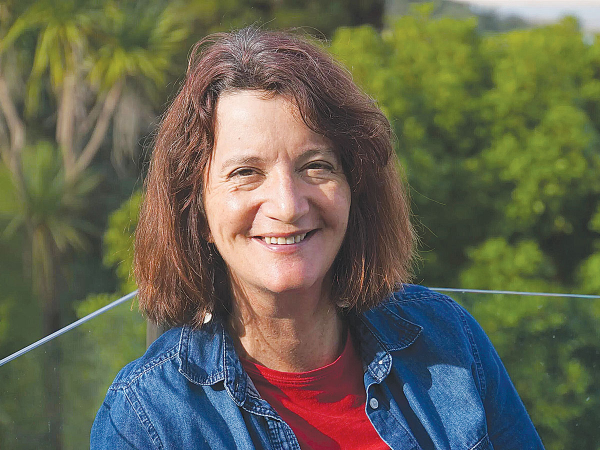 Hauora Taiwhenua chair Dr Fiona Bolden discusses the upcoming National Rural Health Conference significance in addressing rural healthcare challenges.
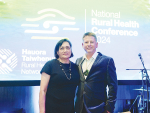
As the National Rural Health Conference 2024 approaches, Fiona Bolden, chair of Hauora Taiwhenua, and Grant Davidson, chief executive of Hauora Taiwhenua, talk about the conference's significance in addressing rural healthcare challenges.
Fiona Bolden a long-term advocate for rural health, shared her perspective on the conference's mission and impact, highlighting its role in fostering collaboration and support among rural health professionals.
"As chair of Hauora Taiwhenua Rural Health Network, it's absolutely crucial for the National Rural Health Conference to thrive," she stressed. "It's the one platform where all rural health stakeholders can come together, sharing stories, extending support, and shining a light on the significance of rural healthcare.”
Bolden explained that the conference offers hardworking health providers a much-needed break from their daily grind, providing them with opportunities to learn, connect with their rural community, and foster a sense of camaraderie and empowerment.
Davidson shared the significance of this being the first conference following the full transformation of the countrywide rural health sector groups into one organisation, Hauora Taiwhenua. He noted that at this year’s conference there is a greater diversity of attendees, reflective of the organisation’s unified voice, and the broad spectrum of abstracts received, representing various rural communities, midwifery, and students.
He sees this conference as a platform for the new era of rural health, embracing diversity and unity.
Reflecting on the conference’s value, Bolden highlighted its role in facilitating conversations with policymakers, advocating for adequate funding and resources for rural health services. She emphasised the need for policymakers to acknowledge the unique challenges faced by rural communities and work towards sustainable solutions.
“As rural health professionals, we can often feel invisible to urbanbased politicians who dictate our funding and the survival of our rural services,” she explains.
“We deeply care about our communities and the provision of healthcare to them. It’s crucial for politicians to be aware of the inequities in rural health outcomes, the lack of adequate funding, and the ongoing under training of future rural health workers. Face-to-face interaction with politicians demonstrates basic respect for our communities and healthcare professionals, offering hope for the future amidst great change.”
Looking ahead, Bolden emphasised the importance of building resilience in rural communities, particularly in the face of climate- related disasters and other challenges. She highlighted the role of Hauora Taiwhenua in facilitating these efforts and empowering rural healthcare providers and communities.
Being based in the Coromandel, Bolden felt the effects of Cyclone Gabriel and she noted that a year on, the community is definitely recovering better.
“With these vital transport routes reconnecting us and enabling the tourist influx which the Coromandel economy is so dependent upon to return over this summer.”
The conference’s approach to addressing disasters impacting rural communities, such as Cyclone Gabrielle, was further highlighted by Davidson. He says this year’s panel discussion is a dedicated session focused on extracting lessons from past disasters like Gabrielle and the pandemic, with a particular emphasis on preparedness and response strategies for climate emergencies.
Throughout the conference personal, organisational, national, and international lessons will be shared with each conversation playing its part in encouraging preparedness.
Anticipating buzz conversations at the conference, Davidson highlighted three major themes.
Firstly, discussions surrounding climate change and proactive responses are expected. Secondly, conversations about the evolving health system and strategies to ensure rural health emerges stronger amidst changes are anticipated. Lastly, the importance of collective strength and connectivity within the organisation, councils, and chapters, aiming to maximise their impact in the coming year.
When asked to describe this year’s conference in three words, Davidson replied: “Support, Learning, and Excitement.”
Event Details
What: National Rural Health Conference 2024
Where: Takina Wellington Convention and Exhibition Centre, Wellington.
When: April 5-6.
Register online at www.nationalruralhealthconference.org.nz/register
The legacy of Dr Peter Snow continues to inspire as the recipients of the 2023 and 2024 Peter Snow Memorial Awards were announced at the recent National Rural Health Conference.
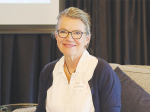
One month out from the National Rural Health Conference 2024, we caught up with keynote speaker Dr Cath Cosgrave. She is an internationally awarded 'rural change-maker', strategic advisor, trainer, coach, presenter, and evaluator based in Australia. With this broad set of skills, we asked her how she would sum up her work.
When it comes to rural healthcare in New Zealand, there is no one more tuned in than John Macaskill-Smith, CEO of Spark Health.
OPINION: This year's National Rural Health Conference, being held in Wellington, has attracted a record number of interested rural health experts passionate about improving equity for rural communities in all ares of health and wellbeing.
Another kick in the guts for rural nurses.



Now in its fourth year, the 2026 Fencing Industry Awards, formed part of the proceedings of the FCANZ Conference, held in Nelson during August.
DairyNZ deputy chair Cameron Henderson has been re-appointed unopposed for another term.
OPINION: The stats speak for themselves.
Farms across the upper North Island are trialling different pasture mixes as part of a research programme that aims to build greater resilience into farming systems.
Election years are always a concerning time for farmers, according to DairyNZ chair Tracy Brown.
The Ballance Farm Environment Awards are coming to the West Coast of the South Island.