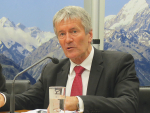
Damien O’Connor Criticises Budget 2026 as ‘Miserable’ for Rural New Zealand
A miserable budget that didn’t deliver much for anyone.
 increase font size

The Hound can’t believe how full of hot air this Government is in demanding the ag sector reduce its carbon footprint – no matter what the cost – while it fails to do anything itself.
Agriculture Minister Damien O’Connor, with 16 members of his hugely expensive, invisible and ineffective Primary Sector Council, were more than happy to jet off around the world clocking up huge air miles and carbon gases to attend a glorified talkfest in the US.
O’Connor and his PSC lapdogs joined other NZ primary industry leaders at the recent Stanford University, California, for the annual Te Hono Bootcamp.
As a mate of yours truly asked, “Surely it would have been better for the planet to have these ag leaders meet in Wellington and have the Stanford University experts Skype in.”
Yes, but that’s not how the Government and its mates work.
A miserable budget that didn’t deliver much for anyone.
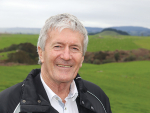
National's decision to ‘dribble’ information about the NZ/India to Labour contributed to the delay in it deciding to supported the FTA.
When it comes to international trade, politicians from all sides of the aisle are united, says Labour's trade spokesman Damien O'Connor.
Federated Farmers have reiterated their support for the coalition Government to abolish the present ban on the live export of animals.
As the coalition Government mulls new regulations to reinstate the export of live animals, debate is heating up between supporters and opponents.


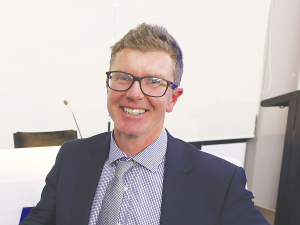
LIC shareholders have elected a new North Island representative to the co-operative's Board, along with five representatives to its Shareholder Reference Group (SRG), following the company's Annual Meeting held in Invercargill.
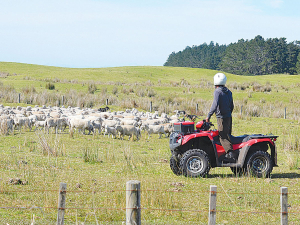
Farmers across parts of Southland and South Otago are continuing to deal with difficult conditions after a prolonged run of wet weather, with pressure building around feed supply, stock management, pasture damage, farm infrastructure and everyday workloads.
Federated Farmers says it welcomes Labour's commitment to reviewing the Sharemilking Agreements Act, calling on other major parties to do the same.
For Canterbury dairy farmers Sian Meijer and Rick Wobben, wearable technology has become one of their most valuable on-farm tools - helping manage 1850 cows across an expansive, high-performing dairy operation while improving efficiency, mating outcomes and day-to-day decision making.
Fonterra has unveiled its annual results for the 2026 financial year, posting $27 billion in revenue and close to $20 billion returned to New Zealand farmer owners and unit holders.
The first major update to the Dairy Cattle Code of Welfare in more than a decade has been released, marking what DairyNZ describes as an important step in ensuring animal welfare standards continue to evolve alongside scientific evidence and on-farm realities.