Canterbury Boosts Wallaby Control With $2M Funding Push
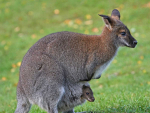
Wallaby control efforts in Canterbury have received a major boost, with Canterbury Regional Council releasing $2 million from its Pest Management Reserve.
 increase font size

Your old mate has heard about framing a question to get the answer you want, but reckons environmental campaigners down south have taken this a step further.
They have been claiming that South Canterbury’s Lake Opuha is the subject of chemical contamination and have been pestering Environment Canterbury (ECan) to do tests for DDT. However, the regional authority says campaigner Allan Campbell told an ECan official the banned pesticide DDT had been added to one of several samples the group had tested for chemicals. Apparently the group added the toxic chemical “to check the effectiveness of the laboratory’s testing”. Campbell said the group suspected the lake bed was contaminated and “their test results support our findings.
Wallaby control efforts in Canterbury have received a major boost, with Canterbury Regional Council releasing $2 million from its Pest Management Reserve.
Newly released data from Environment Canterbury (ECan) Farm Environment Plan (FEP) audits are showing a dramatic lift in environmental performance across the region.
Buying or building a rural or semi-rural property? Make sure you know where the wastewater goes, says Environment Canterbury.
OPINION: Canterbury grows most of the country's wheat, barley and oat crops. But persistently low wheat prices, coupled with a high milk payout, are believed to be driving farmers out of the industry in the hunt for the dairy dollar, according to media reports.
Environment Canterbury, alongside industry partners and a group of farmers, is encouraging farmers to consider composting as an environmentally friendly alternative to offal pits.

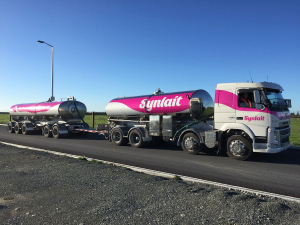
Synlait has swung to second-half profit as operations stabilise, but the dairy processor still posted a $75.4m annual loss.
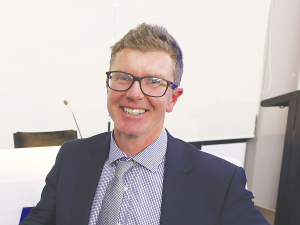
LIC shareholders have elected a new North Island representative to the co-operative's Board, along with five representatives to its Shareholder Reference Group (SRG), following the company's Annual Meeting held in Invercargill.
Farmers across parts of Southland and South Otago are continuing to deal with difficult conditions after a prolonged run of wet weather, with pressure building around feed supply, stock management, pasture damage, farm infrastructure and everyday workloads.
Federated Farmers says it welcomes Labour's commitment to reviewing the Sharemilking Agreements Act, calling on other major parties to do the same.
For Canterbury dairy farmers Sian Meijer and Rick Wobben, wearable technology has become one of their most valuable on-farm tools - helping manage 1850 cows across an expansive, high-performing dairy operation while improving efficiency, mating outcomes and day-to-day decision making.
Fonterra has unveiled its annual results for the 2026 financial year, posting $27 billion in revenue and close to $20 billion returned to New Zealand farmer owners and unit holders.