
Federated Farmers Welcomes ACT’s New Farming Policies
Federated Farmers has welcomed new rural policies released by ACT, saying they align closely with its own election priorities.
 increase font size
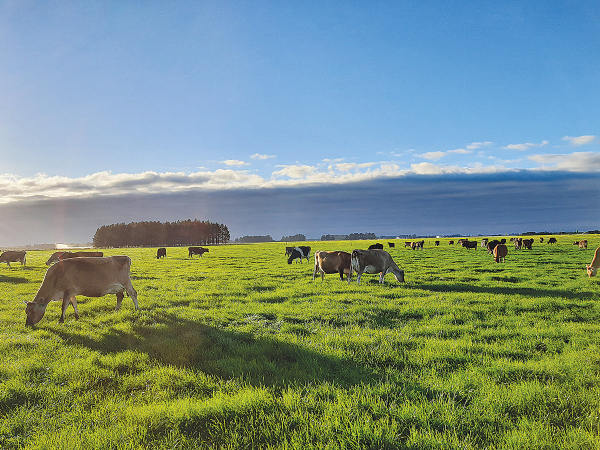
OPINION: Farmers around the country are welcoming the proposed reform of local government.
However, they are rightly demanding their local district, city and regional councils come with amalgamation plans that meet the needs of rural communities and don't allow urban councils to dominate.
This follows central government putting local authorities on notice to come up with substantial, realistic, cost-effective plans for amalgamation within the next three months or else government will intervene.
Farmers generally support reforms provided they lock in strong representation for provincial communities.
After all, rural communities and towns don't want to be paying for city projects that deliver little benefit to them.
If decisions are made without proper rural input, they risk creating policies that don't fit or support the needs of farming families and rural businesses.
There's no doubt NZ's local government system is too complex, too costly, and too hard to navigate.
Currently, there are 78 city and district, regional, and unitary councils across the country - a high number for a council of our size.
Federated Farmers proposes that metropolitan unitary councils centred on cities of around 50,000-plus, and provincial unitary councils that merge the district councils.
This modelling could see the current 78 councils redue to less than half that number.
It also achieves the streamlining, economies of scale and capability to shoulder the regional spatial planning the Government wants.
Councils shape the places we live and the services we rely on. But for farmers, too often the system is tangled in duplication, disagreements, and decisions that defy common sense.
Getting a simple resource consent renewal is a costly, time consuming and a drawn-out affair for some farmers.
Farmers need a simpler, cost-effective system that just lets them get on with farming.
The next three months will be interesting to see how local authorities respond to the Government's deadline and whether the issue of equity between rural and urban can be achieved.
Federated Farmers has welcomed new rural policies released by ACT, saying they align closely with its own election priorities.

A farmgate milk price of $10/kgMS this season is firming up as milk powder prices soar and the New Zealand dollar weakens.
Federated Farmers is backing Feilding High School’s call to keep Agriculture and Horticultural Science as a standalone subject in Year 11.
National’s pledge to introduce 19 new national standards shows the party is serious about getting Wellington out of farming, Federated Farmers says.
Mobile phone coverage and reliability are deteriorating in rural areas, and farming families are bearing the cost, according to a Federated Farmers survey.


In farming there are external factors that can influence behaviour of a whole herd, such as a bad weather event, triggering false positive heat detections or health attentions.
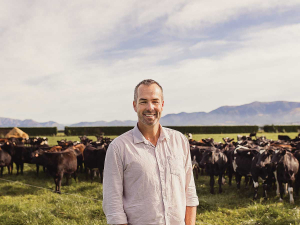
For Canterbury dairy farmer Cameron Henderson, supporting Meet the Need comes down to a simple question: how can the success of New Zealand farming benefit more than just those within the industry?
Fonterra board members are in line for a pay rise of around 3%.
Dairy processors are ready to further boost New Zealand’s export earnings but want the incoming government to match their ambition with good policy.
Massey University is best placed to solve the “problems” facing the dairy industry, says vice chancellor, Pierre Venter.
Synlait's longest serving employee – a man who joined the Canterbury-based milk processor even before it began processing milk – is now its newest executive.