Editorial: Time to Boost Organics
OPINION: The time has come for the Government to back the organic sector.
 increase font size
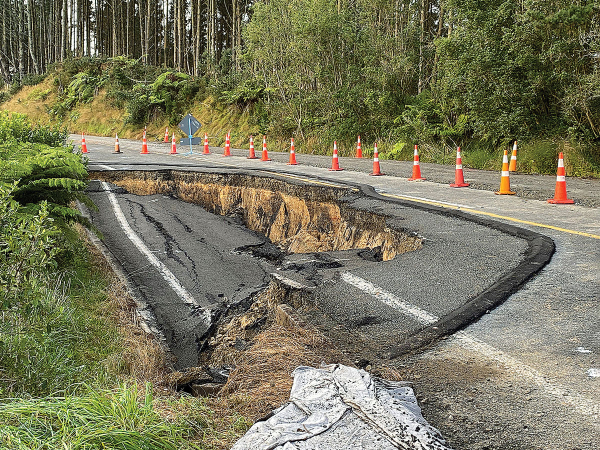 Fourteen months after Cyclone Gabrielle, many farmers have limited access to their farms.
OPINION: The distress that the politicians and bureaucrats are causing to the people of Wairoa and the wider Tairāwhiti is unforgivable.
Wairoa Mayor Craig Little has every reason to be angry at the seeming lack of priority, commitment and energy that the Government and its agencies are putting into sorting out this mess: That is, State Highway 2 south of Wairoa. As one who drove the road last year and again just a few weeks ago, it is hard to see much progress, apart from more traffic cones. No doubt a permanent fix to SH2 is a challenge, but the perception is that the problems of the East Coast are not a high priority to those capable of doing something about the problem.
Soon after Cyclone Gabrielle hit, politicians were falling over each other coming to the East Coast for photo opportunities and giving ritual sympathy speeches and promises. Likewise, the media cashed in on the disaster. But the reality is the problems in Tairāwhiti go beyond a perfunctory visit and sound bite on TV or radio. Fourteen months on, people in Wairoa township and in the hills behind the town are still suffering. Many are still living in temporary houses, farmland is still slipping, making it impossible to permanently replace fences. Many farmers have limited access to their farms, all at a time when the primary sector is amid a crisis. The cost to the people of Wairoa and its hinterland, both in social and economic terms, in what amounts to partial isolation, is taking its toll on the mental health of people.
The fact is that the economy of the whole East Coast is in dire straits because of poor infrastructure, and that is the fault of successive governments. But as one famous Wellington retailer used to say, “It’s the putting right that counts”. So what’s the problem and why not now? Or how many more tonnes of paper for reports will be required by the bureaucrats and politicians to get beyond snail’s pace?
OPINION: The time has come for the Government to back the organic sector.
OPINION: Confidence in the wool sector is rebounding as prices hit levels not seen in more than 15 years.
The chief executive of Apples and Pears New Zealand, Danielle Adsett, says fruit quality this year is phenomenal and the sector is hitting crop estimates, which is great for growers.
Nearly three years on from Cyclone Gabrielle, Hawke's Bay apple orchardist Paul Paynter says they are still doing remedial work around their orchards and facing financial challenges.
OPINION: When I moved to Marlborough two decades ago, I found countless lines of tidy vines, neatly mowed and carefully sprayed, with diligent conventional practices interspersed with the odd organic or cover-cropping outlier, like Te Whare Ra.
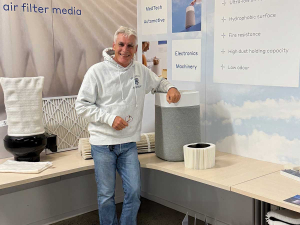
New Zealand wool is reaching new heights as air filtration companies move away from synthetic products to biodegradable alternatives.
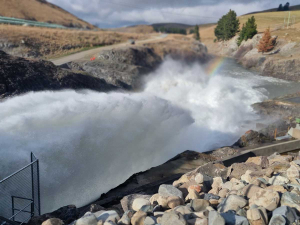
Opuha Dam's ability to protect South Canterbury communities from major flooding has taken a significant step forward, with Opuha Water Limited (OWL) successfully commissioning a new outlet valve capable of releasing record volumes of water from the dam ahead of a weather event.
There's been widespread support from the primary sector for the Government's announcement on changes to freshwater farm plans that come under the Natural Environment Bill, which is now set to replace the existing RMA.
A partnership between state-owned enterprise Pāmu (Landcorp Farming Limited) and charity Meet the Need is putting more than quality New Zealand beef into food bank parcels this year.
The Opportunity Party has faced criticism during the election campaign that its policies are too urban-focused and offer little for rural communities.
The chair of the country's environmental regulator, the Environmental Protection Authority (EPA), says changes are already under way to improve the performance of the agency to better meet the needs of those who interface with them.