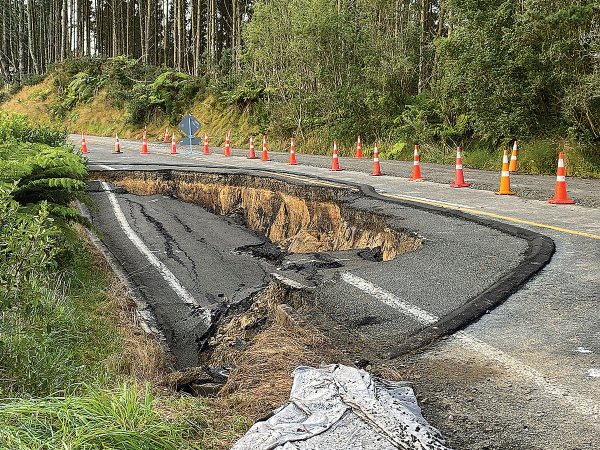
OPINION: 'Fix the rural roads now' is the essence of the message to government - both central and local - from B+LNZ chief executive Sam McIvor and other rural leaders.
This is not a time for procrastination, navel gazing or commissioning lengthy reports, holding endless meetings between officials, board members and ticking off the political correctness manual.
Years of mismanagement by not prioritising the country's rural roads has led to the present crisis. Silly little city cycle ways, light rail to Auckland airport and a few other ‘nice to haves’ are supposedly vote winning, but not vital projects. Hearing the Greens grizzle about climate change responses remaining the priority in the short term while the roads are still a mess beggars belief.
As McIvor has rightly pointed out, a crisis is looming if things don’t get fixed in the next few weeks. As a first world country we pride ourselves on having food security. But this is not just about producing food, it’s about getting it to consumers. We see every night on television the broken roads in northern and eastern regions of the country, which has made this nigh on impossible for weeks now.
If rural roads aren’t fixed, sheep and cattle won’t get to meat processing plants. This will affect exports and local food supplies and put people out of work. The same applies in the horticulture sector. So, if roads aren’t fixed, supermarket shelves will become emptier and export returns will be down. It’s as simple as that!
To be fair, the Government has been quick to act in respect of providing valuable financial assistance to farmers and orchardists to clear the carnage caused by ‘filthy forestry’ practices. This issue is one the Government also needs be blunt and decisive about and sort out once and for all.
Forestry is a significant export earner, but right now it has wrecked other primary sector industries on a scale rarely seen before. People are rightly demanding that forestry companies front up with a few billion dollars to compensate farmers and orchardists for the damage they caused, rather than making the poor old taxpayer front for their actions.
The cyclone crisis is far from over and it will be how the recovery is handled that will be the defining factor. Unless farmers and horticulturalist get real certainty about fixing roads and infrastructure, and when it will be done to meet their needs, they will rightly feel aggrieved.
So, fix the bloody rural roads now!