BVD Control Begins Long Before You See A Problem
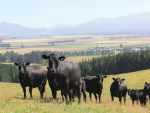
Bovine Viral Diarrhoea (BVD) is sometimes viewed as a dairy industry issue, but the reality is that the disease can have serious consequences for beef breeding herds as well.
 increase font size
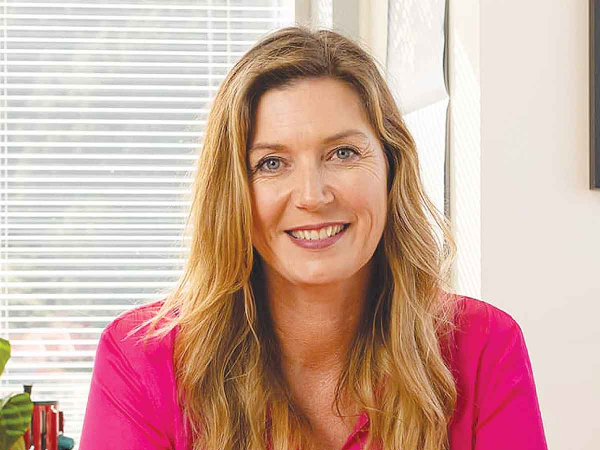 Labour Agriculture Spokesperson Jo Luxton
OPINION: It's a tough pill to swallow that bird flu (avian influenza) has finally arrived in New Zealand. This is a moment many of us have hoped would never come.
We've watched the highly pathogenic H5 strain spread across Europe, Asia, the Americas and, more recently, Australia. With so many migratory birds travelling to and through New Zealand, experts have been warning since 2022 that it was only a matter of time before this strain reached our shores. On 15 July the virus was confirmed in a brown skua north of Wellington City, followed by a kāhu in Wairarapa.
The good news is that, so far, there have been no cases detected in poultry. That gives us a window to prepare, to understand what we need to do, and to work together to reduce the risk of an outbreak.
But how we deal with this depends on all of us doing our part and following advice.
If you're out and about:
These actions will make a difference.
I know this is an anxious time for many farmers. There are hundreds of poultry farms and egg production sites across the country. These businesses work incredibly hard every day to put affordable, high-quality food on our tables. And because we don't import fresh chicken or eggs under our biosecurity rules, protecting our domestic poultry industry is incredibly important.
We do need to take this seriously, but there is no reason to panic. As of 24 July, there is no evidence the virus has spread into poultry. Chicken and eggs remain safe to eat, and the risk to human health remains very low.
Biosecurity New Zealand is working hard to monitor the situation. They are checking coastal areas and responding quickly to high-value reports of sick or dead wildlife. The Department of Conservation is also vaccinating around 300 breeding birds from five of our most endangered species - kākāpō, takahē, kakī, tūturuatu (shore plover) and kākāriki karaka - as part of efforts to reduce the risk to some of our most vulnerable native species.
The Poultry Industry Association New Zealand has also developed a dedicated website to support poultry owners, farmers, and industry with practical guidance on avian influenza preparedness and response. It has prevention plan templates, preparation resources, and detailed response guidance, including information on locating contractors and support services across New Zealand for biosecurity and welfare support. You can find this at: https://birdflu.pianz.org.nz/
Strong biosecurity cannot be taken for granted. It relies on all of us playing our part, alongside continued government investment in surveillance, preparedness, research, and science. Together, that will give us the best chance to protect our native wildlife, support our farmers, and safeguard our food security into the future.
Bovine Viral Diarrhoea (BVD) is sometimes viewed as a dairy industry issue, but the reality is that the disease can have serious consequences for beef breeding herds as well.

Striking a balance between meeting the needs of industry to speed up approval time for products but on the other hand ensuring that risks are properly assessed.
Election years are always a concerning time for farmers, according to DairyNZ chair Tracy Brown.
A partnership between state-owned enterprise Pāmu (Landcorp Farming Limited) and charity Meet the Need is putting more than quality New Zealand beef into food bank parcels this year.
Testing confirms H5 bird flu in a single northern giant petrel, found dead on a remote Cape Palliser beach in the Wairarapa, says Dr Mary van Andel, the Ministry for Primary Industries' (MPI) Chief Veterinary Officer.


Federated Farmers says new legislation replacing the Resource Management Act will cut red tape, unlock investment and help grow New Zealand's export-led economy, after the Planning Bill and Natural Environment Bill passed their third reading in Parliament yesterday.
Leading figures from the major political parties will be questioned on their primary sector policies at the Rural Issues Debate at Mystery Creek Events Centre, Hamilton, on 30 September.
OPINION: Have a plan in place now!
Beef + Lamb New Zealand (B+LNZ) says it welcomes the passage of the Natural Environment Bill and Planning Bill, calling the bills a positive step for sheep and beef farmers.
A spate of southerly winds bringing cold temperatures has presented challenges for Taranaki dairy farmers.
Converting a longstanding cropping farm to dairy was the only way to ensure the land stayed in the family long term, says new dairy farmer Rod May.