International Day of Rural Women: Two DairyNZ Farmers’ Stories
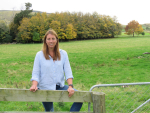
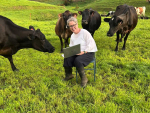
Today, 15 October, is the International Day of Rural Women, which recognises rural women’s contribution to farming, communities and the environment.
 increase font size
 DairyNZ lower North Island leader Mark Laurence.
Wet weather and a lack of sunshine in many western areas of the country are causing problems for farmers.
Mark Laurence, DairyNZ's lower North Island leader, says while the situation is bad it is not terrible like past seasons, but it is causing milk production to slow. He says production is static and is only being held up there because farmers are feeding supplements to their cows.
A recent report by the ANZ bank noted that milk production right across the country was down by 4% for the month of August.
Laurence says farmers are using supplements to keep their cows in good condition for mating, which is now taking place.
"Farmers are feeding supplements out for two reasons. Firstly, they want to retain milk production, but they are also conscious of the need to keep cows in good condition for mating which has already started in some areas," he told Rural News.
"The two go hand in hand. By maintaining the milk production, farmers are also making sure that the cows are cycling and that will become apparent in the following year. It will finally have an impact on the farming in about a year's time."
But perhaps the biggest effect, and less noticeable to the eye, is the poor quality of pastures. Laurence says while pastures may look good, the reality is the lack of sunshine has reduced the quality and nutritional value of the grass. There has also been a delay in taking silage off paddocks and this is now only just starting to happen, but questions remain about its quality.
Laurence says the wet is also delayed the sowing of crops, which means they will be late and potentially lower yielding. He adds that wet ground has made it difficult to get machines onto the land to sow and harvest crops.
"Normally I would have expected croppin work to begin in early October, but with the delay because of the rain, the whole season is being compressed," he explains. "There is good advice out there to say, if you are now three or four weeks late then maybe you need a different variety of whatever crop, be it turnips or maize or something. It's all about a balancing act."
The wet and cooler weather in western regions is said to be a key reason overall milk production across the country for August was down by just over 4%. But Laurence says while conditions are not good the weather is not as bad as it was in the 2017/18 season. He says the wet is right across the lower North Island.
"We have all been through years that have been lot worse than this one," he adds. "What's different about this year is that we have had three really good winters and springs in a row and we have to remember what a wet spring looks like."
Today, 15 October, is the International Day of Rural Women, which recognises rural women’s contribution to farming, communities and the environment.
The first major update to the Dairy Cattle Code of Welfare in more than a decade has been released, marking what DairyNZ describes as an important step in ensuring animal welfare standards continue to evolve alongside scientific evidence and on-farm realities.
Have a plan in place for your cows and staff.
DairyNZ deputy chair Cameron Henderson has been re-appointed unopposed for another term.
OPINION: The stats speak for themselves.


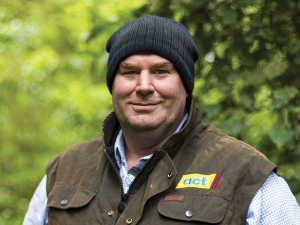
As part of its Election 2026 coverage, Rural News asked political parties how they would help pull the arable sector out of the doldrums. Here's what they said:
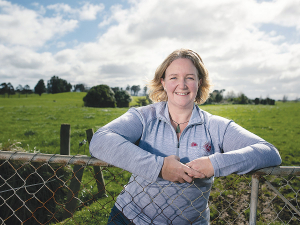
Farmers are being encouraged to rethink how they manage waste on farm with the launch of ruralwastesorted.co.nz, a new website bringing together practical tips, real farmer experiences and resources.
New Zealand Winegrowers (NZW) is celebrating the India-New Zealand Free Trade Agreement (FTA) coming into force today, bringing New Zealand wine improved access to one of the world’s fastest-growing economies.
New Zealand’s red meat sector has welcomed the India-New Zealand Free Trade Agreement taking effect, which removes India’s 33% tariff on New Zealand sheepmeat.
More than 95 per cent of New Zealand’s forestry and wood exports to India can now enter tariff free as the New Zealand-India Free Trade Agreement comes into force today.
Federated Farmers is backing Feilding High School’s call to keep Agriculture and Horticultural Science as a standalone subject in Year 11.