
Lockwood Smith: Red Meat Needs More Product Research
With the red meat sector going through a boom time with high prices, the time is right for the industry to step up its investment into developing new food products.
 increase font size
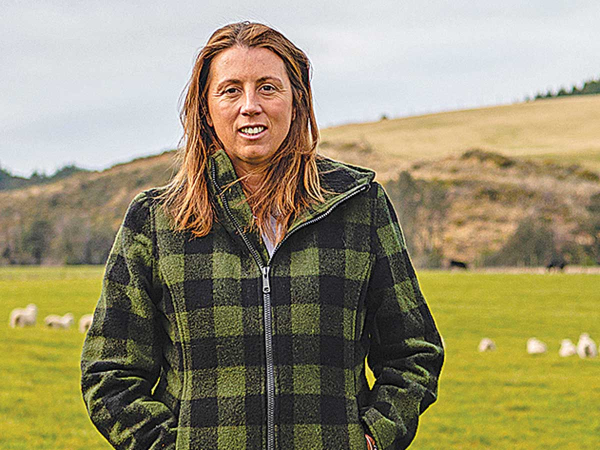 B+LNZ chair Kate Acland.
New Zealand's red meat sector says it is disappointed that the United States' investigation into lamb imports will move to its next phase.
The US International Trade Commission (ITC) issued a split decision on whether lamb imports have caused serious injury to the US lamb industry.
Despite the divided vote, the process will move to a remedy stage, in which commissioners will make recommendations to the US administration.
Beef + Lamb New Zealand (B+LNZ) chair Kate Acland says the outcome is disappointing, but it is positive that half of the commissioners agreed with New Zealand's case that its lamb is not harming the US industry.
"This strengthens our case for the next phase and supports our view that the evidence collected during the investigation does not justify imposing import restrictions," she says.
"The evenly divided decision by the commissioners reflects the efforts of our industry throughout the process so far and we will continue to advocate strongly on behalf of farmers and exporters.
"There are still more steps in the process for us to make our case."
Acland says New Zealand farmers want a fair and evidence-based outcome. They face the same challenges as the US domestic industry, such as declining sheep numbers, and have responded through sustained investment in genetics, research and farm management, she says.
"These are pressures on the whole sector, not the result of New Zealand lamb imports."
She adds that the sector needs ongoing access to valuable export markets to help ensure strong returns.
Nathan Guy, independent chair of the Meat Industry Association (MIA), says the focus now turns to the next stage, in which the commissioners will determine what remedy, if any, to recommend.
"The views of American businesses will remain an important part of the New Zealand case," he says.
At the hearings in October, the commission heard directly from American businesses about the importance of imported lamb and how it serves different customer needs. They also highlighted the strong prices currently being received for American lamb, and the potential consequences for US customers and restaurants if imports were restricted.
Guy says lamb imports enable year-round supply, and that restricting them would mean US customers and consumers could not access lamb. Over time, he says, that would reduce demand and stifle the US industry's growth rather than support it.
He describes New Zealand as a long-term, stable trading partner of the US, with consistent export volumes over the investigation period. He says there is room for both industries to grow, with New Zealand's complementary supply providing stability and an opportunity to work together to grow demand for lamb in the US.
"MIA and B+LNZ have been working hard on this case and we will continue to partner with the New Zealand Government and our US customers to make sure decision-makers have the full picture," Guy says.
Commissioners who found injury will present their recommendation on any remedies to the US President early in the new year. The commissioners who did not find injury will also provide their findings to the President at the same time.
The President will make the final decision on whether to provide relief to the US industry, and what kind of relief. A final decision is not expected until March 2027.
With the red meat sector going through a boom time with high prices, the time is right for the industry to step up its investment into developing new food products.

Meat Industry Association chief executive Nick Beeby says there’s now much closer cooperation between meat processing companies than there was many years ago.
Alliance is calling for final applications for its 2027 Graduate Programme, with applications closing on Sunday 25 October.
New Zealand’s red meat sector has welcomed the India-New Zealand Free Trade Agreement taking effect, which removes India’s 33% tariff on New Zealand sheepmeat.
OPINION: There could hardly be a more appropriate theme for a conference than the one chosen by the red meat sector - Navigating Volatility.


New Zealand's red meat sector says it is disappointed that the United States' investigation into lamb imports will move to its next phase.

Three men have been sentenced in District Courts after Ministry for Primary Industries prosecutions over animal welfare, food safety and cattle tracing offences.
Fonterra’s 2026 financial year was a year of delivery, with record volumes of milk collected, processed and shipped by the co-op.
OPINION: The Government's decision to reinstate agriculture and horticultural science as a standalone subject from Year 11 is the right one.
Dairy farmers, still holding onto their Fonterra shares despite switching milk supply elsewhere or exiting the industry, now face a stricter share sell-down requirement.
Hamilton-based agritech company Aimer Farming has completed a $3 million capital raise to support its next stage of growth, including a beef farming product due to launch in 2027.