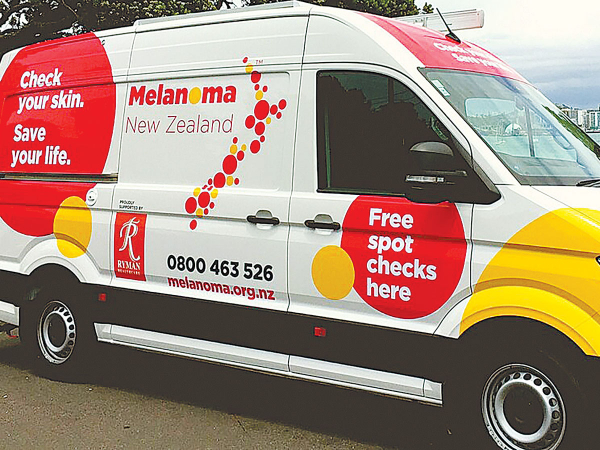
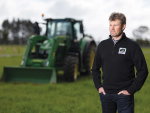
“Don't let a spot become a full stop” is the message Melanoma New Zealand and FMG are sharing with rural New Zealanders.
With over 50% of rural New Zealand insured with FMG and a strong presence in those communities, the company has announced a partnership with Melanoma New Zealand to help prevent avoidable suffering and deaths from skin cancer.
FMG’s chief client officer Andrea Brunner says it often talks about how the most important asset on farms and rural properties are the people.
“The benefits of a regular skin check are undeniable, given that if it is caught early, melanoma is almost always curable,” she says.
“Our farmers and growers are among the most at risk of melanoma in the world due to New Zealand’s UV radiation intensity. So, supporting them to remain well is very important us.”
Melanoma New Zealand chief executive Andrea Newland says heightening the awareness in New Zealand’s rural communities of how to protect your skin when outdoors, and the importance of having a regular skin checks, will save lives.
“New Zealand has the highest incidence rate of melanoma in the world, with more than 4,000 diagnosed and around 300 people dying from it each year,” she explains.
“It’s sobering to think that more people die from skin cancer than on our roads.”
The team at FMG is helping to share Melanoma New Zealand’s key prevention and early detection messages, education, and advice through its connections into rural communities, at regional field days, A&P shows as well as at the National Fieldays.
At FMG’s Fieldays’ site, visitors will be able to see the amount of sun damage to their skin with a UV camera and collect a record card to take to the Melanoma New Zealand’s site for a free spot check.