George Dodson on Efficiency and Low-Cost Dairy Farming
Efficiency is the big one because it tracks back into what is done on farm.
 increase font size
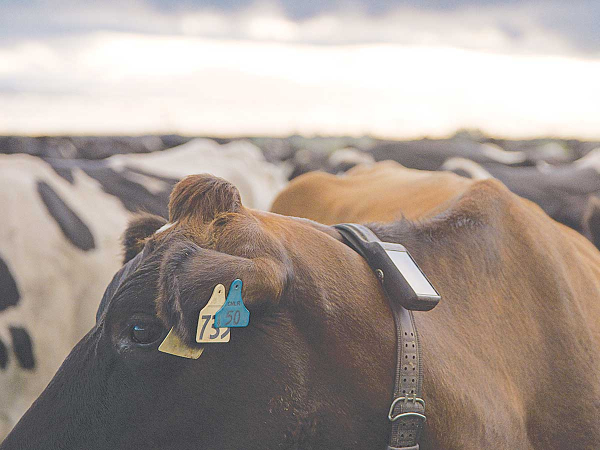 South Australia has given the green light to virtual fencing.
Another Australian state has given the green light to virtual fencing, opening another market for Kiwi company Halter.
The world’s leading developer of supplier virtual fencing and herding systems, Halter already operates in Tasmania and Queensland.
Last month, New South Wales and Victoria Governments announced they were legalising virtual fencing in their respective states.
A statement two weeks ago from the South Australian Government says allowing producers to use the game-changing technology would help improve cattle management, reduce infrastructure costs and help protect native vegetation.
An amendment to the Animal Welfare Regulations 2012 has been approved, enabling virtual fencing to be used in South Australia’s agricultural sector and fulfilling a South Australian Government commitment.
The updates will allow manufacturers to apply to the government for approval of their virtual fencing technology and system from early 2026. Primary producers will then be able to buy or lease an approved system for use in their operations.
Halter says 600,000 cows are already wearing its collars in Tasmania and Queensland.
It says the collar delivers 40% Labour savings per week on an average farm using Halter.
The Halter system includes a solar-powered smart collar for each cow, towers for connectivity and an app that lets farmers manage their cattle and pasture remotely from their phone. Cows are guided by the collar’s sound, vibration and electrical cues. Farmers can virtually fence, shift and monitor their cattle 24/7.
In South Australia, virtual fencing will be used for cattle management only, and applications will be considered against stringent approval criteria and conditions, which ensure animal welfare is at the forefront of any decisions, the state Government says.
Key characteristics and approval criteria include:
Efficiency is the big one because it tracks back into what is done on farm.
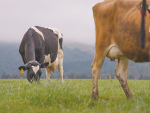
Halter has announced the six winners of its 2026 One Year Free competition, marking the biggest year yet for the annual award and the first time the company has expanded the field beyond its usual line-up.
Two months after unveiling a major upgrade to its beef product, Halter says its farmers are on track for major production gains and additional grass growth.
Central Otago farmer Bevan McKnight no longer worries about leaving a few Angus cattle behind while mustering on the 13,000ha station he leases.
New Zealand agritech company Halter has announced unveiled a new direct-to-satellite technology solution for its smart collars for beef cattle, unlocking virtual fencing for some of the country's most remote farming regions.

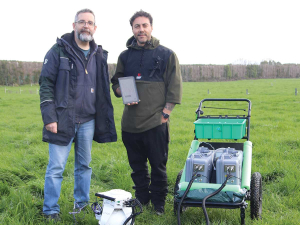
Researchers at Massey University are using a special piece of scientific equipment to improve the measurement of greenhouse gas emissions from pasture soils.
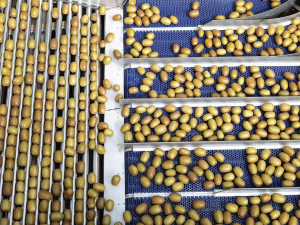
More signs of a booming kiwifruit sector.
OPINION: David Seymour and James Meager's plan to make it easier for farmers and orchardists to operate drones can best be described a 'courageous' move.
New Zealand wool is reaching new heights as air filtration companies move away from synthetic products to biodegradable alternatives.
Opuha Dam's ability to protect South Canterbury communities from major flooding has taken a significant step forward, with Opuha Water Limited (OWL) successfully commissioning a new outlet valve capable of releasing record volumes of water from the dam ahead of a weather event.
There's been widespread support from the primary sector for the Government's announcement on changes to freshwater farm plans that come under the Natural Environment Bill, which is now set to replace the existing RMA.