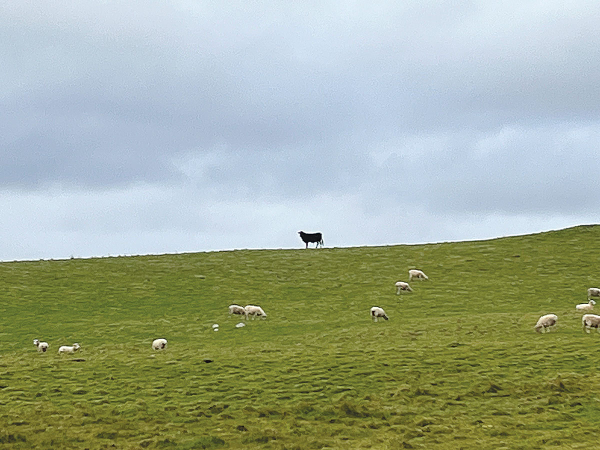
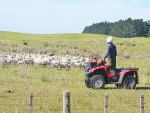
A potential crisis is looming for Chatham Island farmers who are still unable to get their stock off the Islands.
It's estimated that 28,000 sheep and 7,000 cattle need to get to the mainland urgently but can't because the ship that normally takes them there is still being repaired.
The Ministry for Primary Industries (MPI) is working with the shipping company and local farmers to try and resolve the situation quickly, to avoid farmers losing money for their stock and to have feed available for new lambs and calves due shortly.
MPI's on-farm support team director, Dr John Roche, along with three of his key staff, visited the Chatham's recently. It was his first trip to the Islands and says he was overwhelmed by the kindness and hospitality of the locals.
The trip was an initiative by MPI to find out at first hand just what the situation was.
Roche told Rural News the farmers there are under huge pressure and life is very challenging for them.
"Normally stock would be shifted off the islands as soon as they become prime and ready for sale, but this hasn't happened. Everyone is aware of the problem and are working to get a solution as quickly as possible," he says.
Roche says the farmers are in the impossible position of not getting any revenue for their stock while at the same time having to deal with the downturn in prices that all farmers are having to cope with at the moment. He says everything costs more on the Chathams, including fuel and food, because it must be brought there by ship or aircraft and he says he cannot emphasise enough the problems the people face.
"So, there hasn't been any revenue for some time and that limits their financial situation," he says.
Roche says last year's lambs are a high priority to get off the islands because, if they don't, they are at risk of becoming hoggets and possibly worth less.
He says MPI is working with the local farmers and the shipping company to try and devise a system that speeds up the loading of the ship and hence get a faster turnaround, and maybe more sailings.
Even if the ship was available immediately, it's estimated that it would require multiple trip to get all the animals off to the mainland.