
Zero Tariff Squeezes NZ Citrus Growers, Forum Hears
New Zealand's citrus growers have been told to compete on the value built into their fruit rather than the volume they grow.
 increase font size
 Kate Scott, HortNZ chief executive
Horticulture and commercial vegetable growers in particular stand to be major beneficiaries of radical proposals by government to make sweeping changes to RMA regulations.
According to the Minister for RMA Reform, Chris Bishop, the RMA as it stands embeds a culture of 'no' and says this must change to a 'yes'. He adds the planning system is broken and is a handbrake on economic growth and the cause of many challenges across the economy.
Proposed changes include changes to the National Policy Statement for Freshwater (NPS-FM), with local councils given greater flexibility to balance environmental goals with economic impacts. It would also see the removal of unnecessary consents for practices such as crop rotation and enable commercial domestic vegetable growing and support long-term water security by enabling water storage. It may also spell the end of the controversial concept of Te Mana o Te Wai.
HortNZ chief executive Kate Scott says the Government's policy will support New Zealanders' access to locally grown fresh produce. She says it would offer some relief for commercial vegetable growers who have been living with uncertainty and unworkable rules and allow them to continue providing the healthy food we need.
"The Government's proposed changes to freshwater rules would provide for crop rotation and signals a future without resource consents for commercial vegetable growing. This will give growers confidence for the future," she says.
Scott says the proposal to remove regulatory blocks for creating water storage is good news.
"The Government has listened to growers' concerns and these proposals will help ensure that growing food in the right places remains possible - without compromising environmental outcomes," she says.
Beef + Lamb NZ says it's pleased with some of the proposals saying some are hugely problematic for sheep and beef farmers. Chair Kate Acland says they have been calling for changes, particularly in the freshwater regulations, for some time.
She says they are pleased that the NPS for FM is being looked at because it is currently complex, often impractical and focused on unachievable numeric limits rather than the health of ecosystems.
"B+LNZ is analysing the options in the consultation materials and will provide further information to farmers on the consultation, including opportunities for input over the next few weeks," she says.
DairyNZ chair Tracy Brown says the current rules are impractical and unworkable, and welcome the commitment towards a more balanced and inclusive approach. She says the rules should be focused on delivering on outcomes, not just input controls, and aimed at specific ecosystem and human health outcomes, not just numerical targets, to best deliver on catchment objectives.
New Zealand's citrus growers have been told to compete on the value built into their fruit rather than the volume they grow.

Where any worker in the kiwifruit industry is mistreated, we expect the authorities to take action.
Kiwifruit growers are watchful but remain optimistic as concerns around the potential effects of the El Niño weather pattern this season.
James Blair, an agronomist for AS Wilcox and the Pukekohe regional champion, has won the 2026 Young Grower national title.
Despite political shenanigans in Wellington, farmers are confident that Resource Management Act (RMA) reforms will get over the line in this term of Parliament.


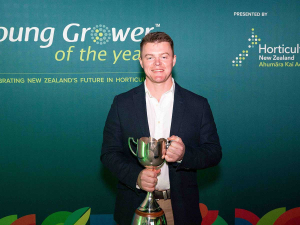
The potato industry is celebrating the success of two rising stars - James Blair, the 2026 Young Grower of the Year and runner-up and innovation award winner, Amber Davy.
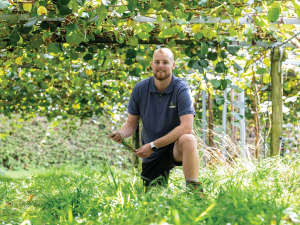
Twenty-eight emerging leaders from across the horticulture sector spent two days last month learning valuable skills and connecting with industry experts.
There are five entrants in this year’s Young Horticulturist of the Year, competing in a series of technical, practical, business and leadership challenges.
A seasoned horticulturist has been appointed to deliver the Apple Action Plan, a key initiative of the India-New Zealand Free Trade Agreement.
New Zealand's citrus growers have been told to compete on the value built into their fruit rather than the volume they grow.
Hawke's Bay fruit growers are being reminded of the need to prepare for whatever the El Niño weather system may bring in the coming months.