Ravensdown Elects Montgomery, Acland to Board
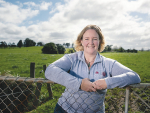
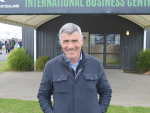
Ravensdown shareholders have elected Jane Montgomery and Kate Acland to the Ravensdown Board for three-year terms, following a closely contested director election.
 increase font size
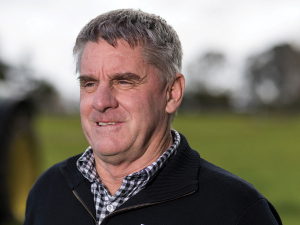
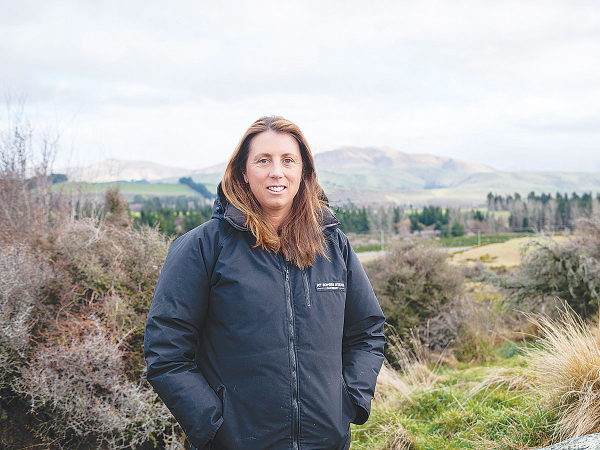 Beef + Lamb NZ chair Kate Acland.
Beef + Lamb New Zealand (B+LNZ) has welcomed the Government’s announcement it is suspending the requirement for councils to comply with the Significant Natural Areas (SNAs) provisions of the National Policy Statement for Indigenous Biodiversity for three years while it replaces the Resource Management Act (RMA).
B+LNZ chair Kate Acland said this announcement will be applauded by sheep and beef farmers.
“Our farmers are doing it tough now – this week we released our mid-season update showing the widespread cash losses our sector is facing this financial year.
“Concern about the expense and workability of the previous Government’s environmental reform agenda is affecting farmer confidence, so any move to address some of the particularly flawed rules is very welcome.
“The announcement gives everyone some breathing space while the Government looks at SNAs. We look forward to being involved in that review.”
Acland says B+LNZ had repeatedly told the Labour Government the criteria for SNAs was too broad and that more time was needed to test the effects of this and to get the rules right.
“Farmers are hugely committed to looking after their land and to enhancing and protecting native biodiversity. There’s 2.8 million hectares of native vegetation on New Zealand’s sheep and beef farms and that’s something we’re incredibly proud of.
“The current criteria for an SNA are far too broad and will capture huge swathes of sheep and beef farmland, tying up farmers in red tape and penalising those who’ve done the most to look after the native biodiversity on their land.
“We need a rethink on biodiversity and want a system that turns biodiversity into an asset rather than the current framework which turns it into a liability.
“We look forward to working with the Government on solutions. We need to take time to get this right and ensure we have workable and enduring solutions to protect New Zealand’s biodiversity.”
Ravensdown shareholders have elected Jane Montgomery and Kate Acland to the Ravensdown Board for three-year terms, following a closely contested director election.
Beef + Lamb New Zealand (B+LNZ) says it welcomes the passage of the Natural Environment Bill and Planning Bill, calling the bills a positive step for sheep and beef farmers.
Farmgate lamb prices are down by 8%, beef cattle by 4.5% and farm expenditure up by 4.2%.
Red meat farmers are welcoming Labour’s plan to review the Emissions Trading Scheme and not to campaign on pricing agricultural emissions.
New Zealand's Emissions Trading Scheme (NZ ETS) encourages afforestation while not achieving climate goals, says a new report released by the Parliamentary Commissioner for the Environment, Simon Upton.


Federated Farmers has welcomed new rural policies released by ACT, saying they align closely with its own election priorities.

Rural Contractors NZ says proposed changes to land transport rules for agricultural vehicles are a welcome response by the Government to out of date regulations which have seen members hit with huge fines.
Alliance is calling for final applications for its 2027 Graduate Programme, with applications closing on Sunday 25 October.
Decades piloting planes has ensured vet and farmer David Hayes is focused on safety. So, after a serious accident while welding on farm, he is sharing his experience so others can learn from it.
Canterbury milk processor, Synlait Milk has confirmed Leon Fung as its chief executive officer.
OPINION: Making it easier to collect rainwater and use it to grow crops and livestock is a no brainer.