
Pāmu FY26 Report: Profit More Than Doubles to $113m
Pāmu has released its FY26 Integrated Annual Report, reporting a Net Operating Profit of $113 million, more than double the $49 million recorded in FY25.
 increase font size
 Mark Leslie, Pāmu, says their priority is now to lock in the gains made.
State farmer Pāmu is bracing for a $30 million hit from soaring farm input costs this financial year.
After posting a record net operating profit of $113 million for the 2026 financial year, the SOE has trimmed back its forecast 2027 net operating profit to a range of $77 million to $87m in its integrated report released last week.
In August, Pāmu reported a NOP of $113 million, up from $49 million the previous year, alongside a net profit after tax of $160 million. The Government received $25m in dividends from Pāmu for 2026, including a $10m special dividend reflecting Fonterra's special capital return to farmer shareholders.
While farms are still on track to increase production, chief executive Mark Leslie says the profit forecast revision has come down due to two factors - rising input costs and weather.
"Those additional feed, fertiliser, and fuel prices mean nearly $30 million of additional costs that the businesses are facing this year, so that's a big reason for the backing off that profit," he told Rural News.
"We haven't backed off on the production side of it, so that's being held.
"We are watching, like everybody is probably watching, two things now: one is those fuel and fertiliser feed costs, and the other, what plays out with weather conditions around El Nino.
"But if you look at a $77 million to $87 million range, if you asked me two to three years ago how that looks, it looked pretty positive."
This year's record results reflect the progress Pāmu has made in strengthening the commercial performance of its core farming business.
Strong protein prices supported the result, but they were not the whole story, says Leslie.
"An estimated 60% of the improvement came from productivity and operational performance: producing more from our land, livestock and people, managing costs carefully, and making better decisions across the portfolio," he says.
Over recent years, he says Pāmu has maintained a disciplined focus on the fundamentals of farming performance, growing more feed, improving animal performance, managing costs carefully, and ensuring resources are directed to where they create the greatest value.
Pāmu dairy farms produced 15.8m kgMS last year, 13% more than the previous year. Livestock productivity rose slightly to 22m kg liveweight.
At the same time, cost of production for conventional dairy dropped 7% to $6.99/kgMS, went up 10% for organic dairy and up 7% for livestock.
Leslie says their priority is now to lock in the gains made.
"That means continuing to lift productivity, sharpen capital allocation, manage costs and risks, and focus effort where it will have the greatest commercial impact.
"We also recognise that ongoing global volatility and forecast El Nino conditions are expected to increase costs in the coming year. We will keep investing in people, systems and stewardship where they support stronger operating performance and long-term value creation.
"There is more work ahead, but the direction is clear. When we stay focused on our core operations, make good commercial decisions and keep lifting productivity, we create value for our shareholder and, through that performance, contribute practical benefit to New Zealand agriculture."
Pāmu has released its FY26 Integrated Annual Report, reporting a Net Operating Profit of $113 million, more than double the $49 million recorded in FY25.

Meat Industry Association data, released alongside the Red Meat Sector conference in Wellington, shows export value climbing across the US, China, UK and Canada.
Applications are set to open for the 2027 Zanda McDonald Award, a trans-Tasman award recognised for identifying and fast-tracking talented young leaders in agriculture and agribusiness.
Synlait has swung to second-half profit as operations stabilise, but the dairy processor still posted a $75.4m annual loss.
LIC shareholders have elected a new North Island representative to the co-operative's Board, along with five representatives to its Shareholder Reference Group (SRG), following the company's Annual Meeting held in Invercargill.


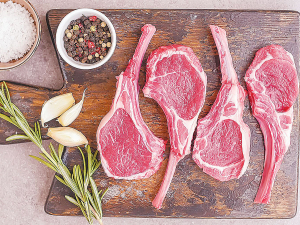
New Zealand's red meat and fifth-quarter exports reached $867 million in August, up 23% on the same month last year, as stronger returns lifted earnings across all major markets.

State farmer Pāmu is bracing for a $30 million hit from soaring farm input costs this financial year.
Flat pricing in the face of significant increases in costs is the greatest problem facing the arable sector, says Foundation for Arable Research (FAR) chief executive Dr Scott Champion.
Entries opened on Monday, 5 October 2026 for the 2027 New Zealand Dairy Industry Awards (NZDIA), which organisers describe as the nation's biggest celebration of excellence in the dairy sector.
Waikato milk processor Tatua has again declared a record milk payout to farmer shareholders, leaving other processors in the dust.
A Labour-led Government won’t be bringing back the controversial freshwater rules of 2020.