
NZ Avocado Sector Eyes Bigger Crop and New Export Markets
The avocado sector is entering the new season with a larger crop and positive market opportunities.
 increase font size
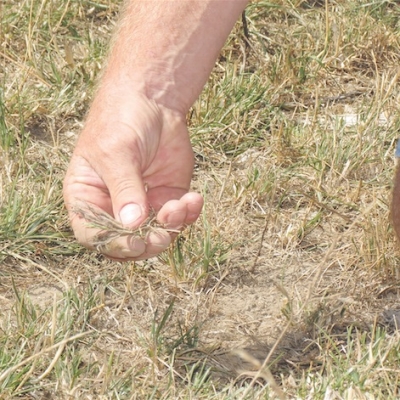
FARMERS in Northland and Waikato are buckling down for a long hot summer that can only be made worse by the low payout.
Niwa climate scientists foresee slight El Nino conditions that point to dry times. This worries farmers in western Northland and Waikato; they say winter and spring has been mostly dry, resulting in lower-than-normal soil moisture.
Waikato Rural Support Trust chair Neil Bateup says while Waikato has had a fantastic growing season in spring, with pasture growing at 60-80kgDM/day, things are incredibly dry underfoot.
The cooler, drier winter has delayed the harvesting of silage in the area till the start of November. “We’re two weeks away from getting reasonable crops of silage and we were cutting this time last year,” Bateup says. “PKE has dropped in price since last year so I expect farmers will use what silage they have on hand and then make some judicious use of PKE.”
Bateup suggests two key moves: consider locking in a contract with PKE suppliers in late November/early December if silage yields are not what they should be; and go through the herd removing cull cows early and deciding more promptly on dry-off dates to maintain body condition score.
“Lots of people were buying feed and milking right to end of the season last year but this year that won’t happen,” he explains. “The important thing is to have a basic plan in the back of your mind and monitor conditions on a weekly basis.”
Ruawai farmer Peter Flood says while grass growth is tracking well now he is planning cautiously for summer. He plans to get cull cows out of the herd this year and will turn to once-a-day milking rather than supplementing stock with bought-in feed.
“My philosophy for a low payout is the same as for a drought season, you ringfence it to this season so it doesn’t impact on next season. Once-a-day may be an option from January to the end of the season, along with wise use of conserved supplements.”
He expects this summer to be better than the last two years, but is prepared to spend a little money on supplements to protect the next season’s performance.
The avocado sector is entering the new season with a larger crop and positive market opportunities.
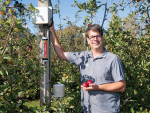
Havelock North Event Centre was a full house for thee Metris annual weather outlook grower breakfast this month.
Halter has announced the six winners of its 2026 One Year Free competition, marking the biggest year yet for the annual award and the first time the company has expanded the field beyond its usual line-up.
OPINION: Since when did one and one make three? Who didn't smell an elephant-sized rat when our leaders decided to give $60 million to save the cement factory in Northland?
A Morrinsville business celebrating its 30th birthday has shaken up the street scene in the Waikato township.
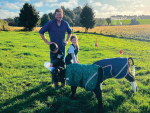


Efficiency is the big one because it tracks back into what is done on farm.
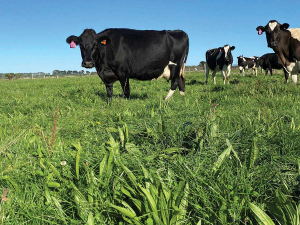
A four year trial has reaffirmed that mixing plantain into dairy pastures can help reduce nitrogen losses to freshwater while maintaining milk production and profitability, say researchers.
Fonterra has opened its upgraded Chengdu Application Centre, bringing New Zealand dairy expertise closer to customers in one of China's fastest-growing regions.
When it comes to annual rebates, it's been a long time between drinks for Ravensdown shareholders.
Special courses for secondary school teachers to help excite kids about agriculture and horticulture are now being run at Massey University.
Running a tight and self-contained ship is the key to the success of the country's largest dairy farmer, says Blair Robinson, the new man at the helm of Dairy Holdings.