Biosecurity New Zealand says continued testing and monitoring shows no signs of avian influenza outside of Mainland Poultry’s Hillgrove, Otago farm.
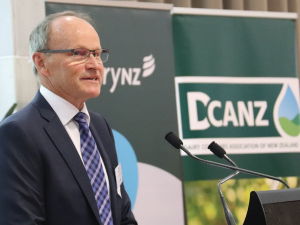
Depopulation efforts are currently underway and are expected to be completed today, says Biosecurity New Zealand deputy director-general Stuart Anderson.
The farm remains under a strict biosecurity lockdown.
“The depopulation to date covers all four layer sheds, which held a capacity of 160,000 chickens in total,” Anderson says. “We’ve had an animal welfare specialist on site to observe depopulation operations.”
Over the weekend, test results confirmed the virus had spread to the final layer shed, something Anderson says was not unexpected.
“We had already planned to depopulate this shed before those results came in as we knew that spread was almost certain,” he says.
A separate facility on the farm, away from the layer sheds and housing 40,000 rearing chickens, will also be cleared.
The depopulation of that facility will begin today.
“International experience tells us there is no other way to manage the risk of spread of this virus other than full farm depopulation, followed by cleaning, and decontamination,” Anderson says.
“We’ve moved quickly in the past week to put in restrictions, investigate, track, and test, and I thank the farmer involved and our industry partners for their help – together we’ve made strong progress,” he adds.
Over 1,200 samples have been received to date, with hundreds still being analysed at a time in Biosecurity New Zealand’s PC3 laboratory in Wallaceville in Wellington.
The response team has over 200 staff members across the Ministry for Primary Industries.
“We continue to put significant resource into eliminating H7N6, and we are confident we are on the right track to stamp it out,” says Anderson.
There remains no risk to eggs and chicken supply in New Zealand given the size of the national flock, nor any issues for food safety, and the risk to human health remains low.