Moving animals, farms come with key responsibilities
Moving farms or relocating your herd to a new place comes with important responsibilities as a PICA (Person in Charge of Animals) in the NAIT system.
 increase font size

ANDY SOMERVILLE, who has extensive experience in business development, has been appointed chief executive officer for the Primary Industry Capability Alliance (PICA).
PICA is a collaboration between New Zealand Young Farmers; DairyNZ; Beef and Lamb NZ; PrimaryITO; Taratahi; Ministry for Primary Industries and Lincoln University, set up in 2012 to develop a capability strategy for the wider agricultural industry.
Chair of the Transition Board for PICA, Mark Paine, says Somerville, originally from Otago, is a Lincoln University graduate who comes from a rural and commercial banking background.
"He set up the National Bank's Rural Finance team prior to the purchase of the Rural Bank, then worked in a number of areas within The National Bank, including representing the bank in London," says Paine.
"Most recently he was general manager for business banking at The National Bank and brings extensive experience in business development and relationship management to this critical role.
"PICA has come a long way since it was set up two years ago and Andy brings the right combination of skills in strategy, leadership and collaboration needed to lead the next phase of development."
"Last month's release of the People Powered report by the Ministry for Primary Industries highlighted the changing skill requirements necessary so the primary sector is equipped to adapt and respond to new opportunities and technologies as we move towards 2025. In future we hope to extend the alliance to include the wider primary industries such as horticulture, seafood, forestry and arable.
"PICA, under Andy's leadership, will play a critical role in linking organisations, and ensuring their strategies, resources and activities are aligned to achieve the outcomes our primary industries need."
Somerville will be based in Wellington, starting on August 18.
Moving farms or relocating your herd to a new place comes with important responsibilities as a PICA (Person in Charge of Animals) in the NAIT system.


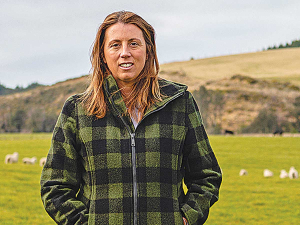
Red meat farmers are welcoming Labour’s plan to review the Emissions Trading Scheme and not to campaign on pricing agricultural emissions.
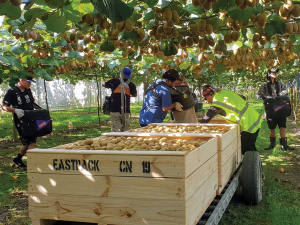
Where any worker in the kiwifruit industry is mistreated, we expect the authorities to take action.
Mid Canterbury Federated Farmers arable chair, Bevan Lill, said Beef + Lamb NZ data indicated that for the last six years, the average arable return on investment was about 0.8% while inflation ran about 4% - so the average arable farm was going backwards at about 3% a year.
Seed and grain companies share the concerns of arable farmers about the viability of their sector, says Seed and Grain New Zealand chief executive Dr Sarah Clark.
The New Zealand Institute of Forestry (NZIF) says unnecessary changes to New Zealand’s Emissions Trading Scheme (NZ ETS) will seriously erode investor confidence and result in significant reductions in forest planting rates.
For the first time in a quarter of a century, Federated Farmers has something positive to say about the Labour Party’s climate change policy leading into a general election.