National Animal Identification and Tracing Scheme (NAIT) manager, NAIT Limited, is seeking consultation with farmers and collection agents on proposed increases to levies.
Together with proposed increases in Crown and deer industry contributions, these levies will be used to continue the work performed by NAIT since the M. bovis outbreak in 2017 to improve the traceablility system.
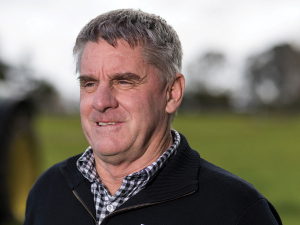
“Farmers rely on us to provide the tools and information they need to help reduce their on-farm biosecurity risk and manage disease,” says OSPRI head of traceability Kevin Forward.
“Having accurate, up to date, on-farm data, and a reliable animal tracing system plays a vital role in limiting the impact of a disease outbreak, supports food assurance, and helps NZ maintain access to international markets.”
Forward says the M. bovis outbreak in 2017 showed that NAIT was not performing as it should, and farmers had informed them that the system is difficult to use.
Since then, NAIT Limited says it has been working with stakeholders to improve NAIT to make it easier to understand and use and to ensure the system performs in the event of a future outbreak.
NAIT Limited says increases in NAIT tag and slaughter levies, as well as the relative contribution from the deer industry and the Government, will enable them to continue this work.
In 2012, the NAIT tag levy was set at $1.10, then reduced over time to $0.90. The slaughter levy was set at $1.35 and reduced to $0.50 per head.
NAIT Limited is proposing an increase in the tag levy to $1.35 and the slaughter levy to $1.77.
"Historically, we’ve kept NAIT levies low, but they were designed to be flexible - to change when we needed them to - and they haven’t been reviewed or increased since 2014. We have delayed any increase for as long as possible while we used reserves and established a plan to deliver,” says Forward.
“We acknowledge the proposed increases come at a time when many farmers are already under financial pressure, but we also know from our experience with M.Bovis and Bovine TB that, if we have another disease outbreak, not having the right systems in place will cost much more."
Formal consultation begin today and will end on 25 February.