
M.I.A.
OPINION: The previous government spent too much during the Covid-19 pandemic, despite warnings from officials, according to a briefing released by the Treasury.
 increase font size
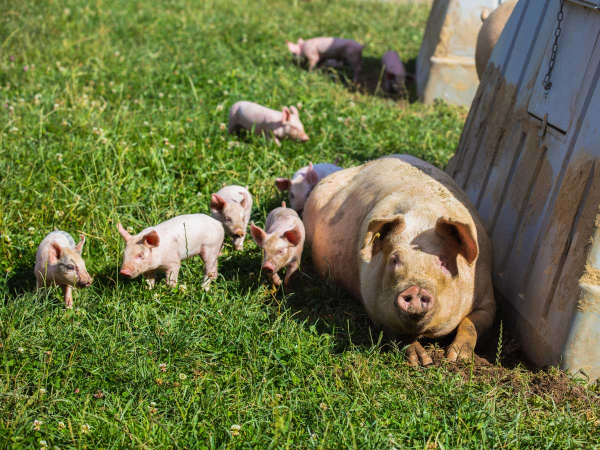 All butchers who want to implement contactless home deliveries can do so says Retail Meats New Zealand general manager, Pippa Hawkins.
All of the country’s small butchers can operate contactless home delivery services under the current COVID-19 lockdown rules.
That's the message from Retail Meats New Zealand general manager, Pippa Hawkins.
The relaxation of the rules, announced on April 7, still prohibits normal shop opening or click-and-collect services – but does allow online and phone orders for contactless home delivery.
Hawkins says there had been some mixed messaging about the changes, with the suggestion that only those butchers who already had home delivery systems in place pre-COVID could resume.
In fact, all butchers who want to implement contactless home deliveries could do so, she said.
“I think initially, potentially, there was a little bit of miscommunication around that.”
However, Hawkins was still waiting on official paperwork, and was working with MPI to ensure the MPI website reflected the true picture.
Butchers are also allowed to process carcasses for other outlets – such as supermarkets and food banks.
“They obviously have to make sure they are following all the strict Ministry of Health guidelines in terms of employees distancing, hygiene and all of the stuff that goes with that,” she told Rural News.
The changes followed pressure particularly from the pork industry, which agitated for relaxation because it fears animal welfare issues if pig farms have no outlet for their stock. Unlike beef and lamb, the pork industry has little established export capacity.
David Baines, chief executive of NZ Pork, said the decision to allow independent butchers to make home deliveries is a step forward, but falls short of a solution to resolve the animal welfare crisis in New Zealand’s pork sector.
“It remains to be seen whether the Government’s move will alleviate the surplus of pigs on-farm.
“For some butchers, it will not be financially viable to only operate on a home delivery basis and we will be closely monitoring the supply chain over the coming weeks to assess the impact,” said Baines.
“That’s why independent butchers, like dairies, should be allowed to open so long as they can take the necessary precautions to prevent the spread of COVID-19.”
Retail Meats NZ is a voluntary organisation representing about 110 of the country’s approximately 350 small retail butchers. It plans to survey its members at the end of this week to gauge just how the lockdown has affected the sector.
“I know some people have decided to keep their doors shut throughout,” said Hawkins.
She hoped a truer picture could emerge, by conducting the survey after the first phase of the lockdown.
“Obviously the first two weeks were just full of negativity, of them being told ‘no, no, no’ and now we thought we would give them a bit of time to get up and running with online services, before we go out there and canvass them.”
OPINION: The previous government spent too much during the Covid-19 pandemic, despite warnings from officials, according to a briefing released by the Treasury.
OPINION: Labour leader Chris 'Chippy' Hipkins is carrying on the world-class gaslighting of the nation that he and his cohorts started after their disastrous Covid response; now trying to undermine the Covid inquiry to protect his own backside.
OPINION: Did former PM Jacinda Ardern get fawning reviews for her book?
Ahead of the World Butchers' Challenge, the captains of 14 nations’ teams squared off in Paris over the weekend.
OPINION: Welcome to the second annual NZ Dairy Expo at Matamata – an event created to bring together the best of the New Zealand dairy industry in a focused, grassroots environment where dairy farmers and rural professionals can meet, talk, compare products, and make smart decisions for their farms.



A Palmerston North shearer has been sentenced to six months' community detention and 12 months' supervision after being found to have physically abused three lambs while shearing them.
Power Farming has launched a joint venture in Southland.
Food rescue charity Meet the Need has released its 2025/26 Impact Report, revealing a record year of growth alongside a stark warning: demand for food support across New Zealand is rising faster than supply can keep up.
As we move into the second half of 2026, the Tractor and Machinery Association (TAMA) reports that Year-to-Date figures ending June 30 saw new tractor deliveries hitting 1,386 units or 10.7% ahead of the same period in 2025.
The avocado sector is entering the new season with a larger crop and positive market opportunities.
New Zealand growers have always adapted to changing conditions, but one challenge is steadily gaining ground across the horticulture sector: resistance.