Editorial: No Small Challenge
OPINION: There could hardly be a more appropriate theme for a conference than the one chosen by the red meat sector - Navigating Volatility.
 increase font size

With a no-deal Brexit looming, NZ meat exporters face the prospect of paying tariffs twice on product going from the UK to the EU.
After March 29 the UK moves to WTO rules and countries with trading blocs set a schedule of tariffs with the WTO. The UK has said it has a draft schedule almost identical to that of the EU.
The EU tariffs are fairly low except for agricultural products which get very high for lamb or beef – in the 49-50% range, says Nick Swallow, NZ trade commissioner to London.
“Even though they have the same schedule it still means you have to pay a tariff if goods move between Europe and the UK,” he told a NZTE seminar on Brexit in Auckland last week.
“That means there is no change [to your tariffs into the UK] if you are a NZ company sending goods into the EU. But if you are sending goods to the UK and then sending them off to Europe you will [pay] a tariff going into the UK and then across into the EU. So you get doubly charged in that sense.”
A no-deal situation will come into force if the EU and UK can’t agree on Brexit arrangements before the March 29 exit date.
Outlining other considerations for NZ businesses exporting into the UK and EU if a no-deal occurs, Swallow warned of UK customs officials having a tide of new customs declarations to process and tariffs to collect.
Freighting delays with Britain are expected and some large companies are block-booking freight forwarding and trucks after March 29.
Delays at the border will be a threat and hard to quantify. Some NZ companies are increasing their UK stock capacity to allow for border delays ranging from six weeks to 18 weeks.
Swallow says businesses should check issues on contracts, data and the status of EU workers in the UK. He also urges them to verify packaging and labelling, shipping – especially in March and April – and terms of trade, and talk to their customers and partners in the UK or EU about how a no-deal Brexit may impact them.
OPINION: There could hardly be a more appropriate theme for a conference than the one chosen by the red meat sector - Navigating Volatility.
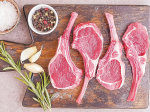
New Zealand's red meat and fifth-quarter exports reached $867 million in August, up 23% on the same month last year, as stronger returns lifted earnings across all major markets.
Meat Industry Association data, released alongside the Red Meat Sector conference in Wellington, shows export value climbing across the US, China, UK and Canada.
New Zealand consumers are paying more for beef mince than ever before, with the average retail price now sitting above $24 per kilogram, according to Rabobank.
After delivering a strong financial year, rural trader PGG Wrightson says the coming months will depend on customer confidence and weather.


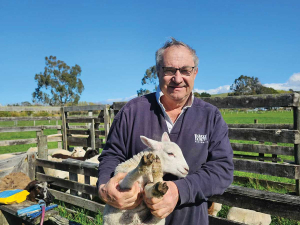
Decades piloting planes has ensured vet and farmer David Hayes is focused on safety. So, after a serious accident while welding on farm, he is sharing his experience so others can learn from it.

Canterbury milk processor, Synlait Milk has confirmed Leon Fung as its chief executive officer.
OPINION: Making it easier to collect rainwater and use it to grow crops and livestock is a no brainer.
As part of its Election 2026 coverage, Rural News asked political parties how they would help pull the arable sector out of the doldrums. Here's what they said:
Farmers are being encouraged to rethink how they manage waste on farm with the launch of ruralwastesorted.co.nz, a new website bringing together practical tips, real farmer experiences and resources.
New Zealand Winegrowers (NZW) is celebrating the India-New Zealand Free Trade Agreement (FTA) coming into force today, bringing New Zealand wine improved access to one of the world’s fastest-growing economies.