Esther Guy-Meakin Appointed Chief Executive of the NZ Meat Board
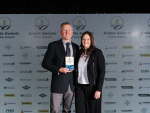
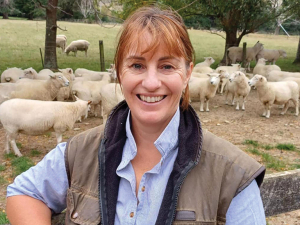
Esther Guy-Meakin has been announced as the new chief executive of the New Zealand Meat Board (NZMB).
 increase font size
 Analysis from the Meat Industry Association shows high levels of meat exports in 2020.
New Zealand's red meat sector exported $9.2 billion worth of products during 2020 – an increase of 1% on the previous year.
According to analysis by the Meat Industry Association (MIA), NZ’s overall meat exports during the year reached historically high levels – 7% above 2018 exports ($8.6 billion) and 21% above 2017 ($7.6 billion).
The top 10 markets for New Zealand meat remained unchanged during 2020. China continued to be the major customer, with exports worth $3.3 billion, accounting for 36% of total exports for the year.
While exports to China were down from the record levels of 2019 ($3.7 billion), these were still 40% higher than during 2018 ($2.3 billion).
Exports to Germany and the Netherlands decreased by 8% and 21% respectively, but the value of exports to all other of NZ’s top markets increased.
Sheep meat exports rose by 3%, to just over 400,000 tonnes, with China the top market, followed by the UK and US. Exports to the UK increased 10% by value compared to 2019.
Beef exports rose in both volume and value, to 471,718 tonnes, worth $3.7 billion, with the US the top market, up 42% by value, to $1.4 billion. Beef exports to China dropped by 26%, compared to the record high levels of 2019, as other countries like Brazil increased their access to China. However, this was offset by an increase in exports to other markets.
Esther Guy-Meakin has been announced as the new chief executive of the New Zealand Meat Board (NZMB).

As expected, the US has launched a safeguard investigation into lamb imports, a move that could impact New Zealand sheepmeat returns.
New Zealand's red meat sector says it welcomes the Government's focus on trade ahead of the general election in November.
New Zealand red meat exports are booming but a pending decision in the White House, Washington D.C., could dent sheepmeat earnings.
Prime Minister Christopher Luxon says the red meat sector is doing an excellent job promoting our pasture-fed system around the globe.


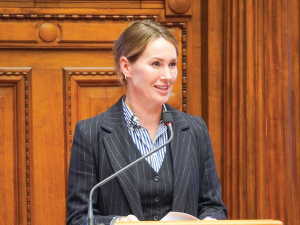
The Government is introducing a new nationwide rural recycling scheme that will significantly increase the recovery of farm plastics from March next year, Minister for the Environment Nicola Grigg announced today.
B+LNZ's Wormwise veterinarian Mary Bowron has won the Best Sheep and Beef Vet of the Year Award in recognition of her outstanding contribution to New Zealand’s sheep and beef sector.
Researchers at Massey University are using a special piece of scientific equipment to improve the measurement of greenhouse gas emissions from pasture soils.
More signs of a booming kiwifruit sector.
OPINION: David Seymour and James Meager's plan to make it easier for farmers and orchardists to operate drones can best be described a 'courageous' move.
New Zealand wool is reaching new heights as air filtration companies move away from synthetic products to biodegradable alternatives.