Peters Targets Fonterra
OPINION: Get offside with New Zealand First leader Winston Peters at your own peril.
 increase font size
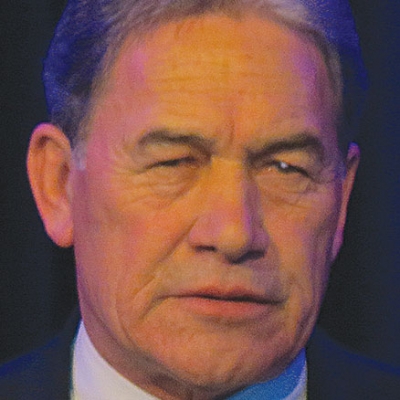 New Zealand First leader Winston Peters.
Nathan Guy, Damien O’Connor, Winston Peters, John Key and Steven Joyce have one thing in common: they’ve been to Northland in the last three weeks in what must be the region’s fastest-ever roundup of Government ministers and leading opposition members.
VIPs from both parties are scrambling to shore up votes in a by-election sparked by the resignation of former National Northland MP Mike Sabin, who resigned on January 30, just five months after being re-elected in the 2014 general election.
The flood of high-profile politicians started at the end of February when the Minister for Primary Industries, Nathan Guy, and Labour spokesman for Primary Industries Damien O’Connor visited the Northland Field Days on the second day of the event to support their Northern candidates, Mark Osborne and Willow Jean Prime, respectively.
Visitors to the field days say the visit was so brief and so hastily organised that Guy had to ask where the party’s site was and no media were on hand to cover the visit.
New Zealand First leader Winston Peters made his own flying visit on Saturday February 28, some media claiming he there made known his intention to run for the seat.
In what would normally be a safe National seat, there could be growing support for Peters. Recent polls put Northland’s son slightly ahead of, or at least even with, the Northland National candidate Osborne.
One fertiliser rep refers to a shift away from National by farmers he has talked to in the last three weeks; half of his clients have said they would likely vote for Osborne and half said probably Peters. This was a major shift away from the public feeling in August 2014 when almost everybody he talked to said they would vote for the former National MP, Mike Sabin.
Both New Zealand First and the National Party have foreshadowed transport initiatives but rural voters have doubts about both plans.
While farmers in the region are concerned about transport, sources say farmers weren’t convinced the Government would follow through with funding, pointing to examples as recent as promised spending on flood damaged roads.
“Some people have asked what constitutes the Government’s definition of ‘fixed’ when it comes to some of those roads.”
Meanwhile, few believe Peters can or will achieve anything if he is successful. In fact, many view the Auckland-based lifetime politician’s decision to stand in the electorate as pure political opportunism by the NZ First leader; his party has not bothered to stand a candidate in the Northland electorate since 2005.
As an opposition MP, Peters will have little influence on the current Government and the only thing he is likely to achieve is to bring in another NZ First list MP. But this will not benefit Northland; next on NZ First’s list is Southland hairdresser Ria Bond.
The exact nature and timing of Sabin’s resignation is another point of contention; rural voters are disappointed by the lack of information on the reasons for his resignation and by the length of time the party may have known about it.
OPINION: Get offside with New Zealand First leader Winston Peters at your own peril.
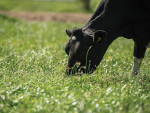
Farms across the upper North Island are trialling different pasture mixes as part of a research programme that aims to build greater resilience into farming systems.
OPINION: In politics, credibility is and should be big. It must surely rank higher than charisma, which is quite trite and superficial. Yet, voters nowadays are often wooed and influenced by how someone looks or talks at a superficial level. TV plays a huge role in this.
I think it's going to greatly weaken National at the election. That's the view of a former senior National MP on the recent attempted coup against Prime Minister Christopher Luxon.
OPINION: After hogging the media limelight for telling a NZ Chinese MP to "go back home", Winston Peters has decided to focus on a domestic issue - oil and gas drilling.

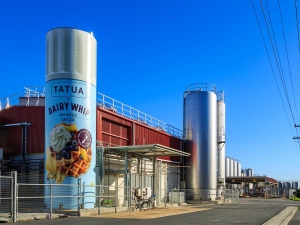
Waikato milk processor Tatua has again declared a record milk payout to farmer shareholders, leaving other processors in the dust.

A Labour-led Government won’t be bringing back the controversial freshwater rules of 2020.
National’s much-touted free trade deal with India featured in the Rural Issues Debate at Mystery Creek, Hamilton on Wednesday night.
New Zealand's 2026-27 freshwater fishing season has opened, with anglers encouraged to head to rivers and lakes over the coming days as conditions look favourable across much of the country.
Central Otago District Council (CODC) has voted against a plan to spread treated sewage sludge from Cromwell and Alexandra on farmland near Lauder, a decision Federated Farmers says reflects strong opposition from rural residents.
Pāmu has released its FY26 Integrated Annual Report, reporting a Net Operating Profit of $113 million, more than double the $49 million recorded in FY25.