NZKGI Responds to Migrant Worker Exploitation Reports
Where any worker in the kiwifruit industry is mistreated, we expect the authorities to take action.
 increase font size
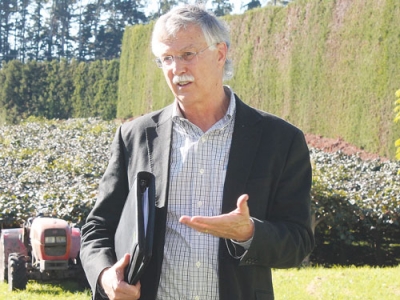 NZKGI president, Neil Trebilco.
Retired kiwifruit growers with ‘dry’ shares in Zespri will have seven years to sell these under new proposals in the Kiwifruit Industry Strategy Project.
A cap on share ownership is also proposed among measures to ensure actual growers are controlling the industry, says NZ Kiwifruit Growers Inc (NZKGI) president Neil Trebilco.
The independent Kiwifruit Industry Strategy Project process took 18 months and involved no fewer than 650 submissions and 100 grower and industry meetings. “It is extremely positive that we’ve had a good turnout and more than 90% of growers have voted yes to the proposals so it enables the industry to get on with putting the changes in place.”
Explaining the planned changes to ownership structure, Trebilco says Zespri principally exists to get a good return for growers for their fruit and therefore Zespri needs to be owned by current growers.
A number of retired growers have kept their shares. “If we allowed it to continue, as growers retire we would end up with a larger and larger portion of the ownership of Zespri being in ‘dry’ shareholders – shareholders who aren’t producing crop. If the prime reason for Zespri is to make good returns back to growers, it is not only counter-intuitive, it would also mean potentially that larger group would have more influence and perhaps be wanting increasing dividends. I am not saying they would but there is potential for that.”
The project team’s proposal is that non-growing shareholders will have up to seven years to sell the shares. Only about two million shares are traded each year through Zespri but the change will require at least 20 million to potentially change hands. It was unrealistic to expect those to be traded over five years as it would drive the share price down. “It would be unreasonable to expect people to sell at a depressed price,” he says.
A cap on the shareholding is also planned, says Trebilco. “Potentially now you can have one hectare or less of kiwifruit but you can have as many shares as you like. That is not healthy for the industry. The intention was for growers to have one share per tray but we are settling on a cap of four shares to one tray simply because it has to go to a shareholder vote, and those with dry shares and overshared growers would not support a two-to-one cap, so we had to compromise.”
Trebilco says one of his personal concerns under the current structure was that someone from outside the industry could buy a small acreage of kiwifruit orchard and there was no limit on the number of Zespri shares they could buy. “You could assert an enormous amount of control when you’ve only got a very small prudence in the industry.”
Some strategy proposals will require regulatory changes by the Government. The current regulations prevent Zespri from making the ownership changes proposed. “If we want to put a cap on shareholding and if we want to be able, over a period of time, to deal with dry shareholders, the current regulations don’t allow us to do that.”
Trebilco says the referendum results which saw 90% support for key proposals are fantastic for the growers. “The KIS project was to secure the ownership and control of Zespri and the industry and that’s what the proposals are designed to do.”
Trebilco says it is great to have a mandate for the Single Point of Entry. “The recovery from Psa has been incredibly dramatic and spectacular and that’s due to our industry structure.”
Watchdog on alert
New Zealand Kiwifruit Growers Inc (NZKGI) plans to take a greater watchdog role with Zespri.
A recommendation supported by growers is that Zespri be required to supply more information to NZKGI so it can better monitor Zespri’s performance, says Trebilco.
The organisation also plans to reduce its grower representation from around the country by 10 to 37 representatives. This will bring greater efficiency and cost savings which can be directed to measuring and reporting on the performance of Zespri.
Where any worker in the kiwifruit industry is mistreated, we expect the authorities to take action.

Kiwifruit growers are watchful but remain optimistic as concerns around the potential effects of the El Niño weather pattern this season.
More signs of a booming kiwifruit sector.
After delivering a strong financial year, rural trader PGG Wrightson says the coming months will depend on customer confidence and weather.
New Zealand growers have always adapted to changing conditions, but one challenge is steadily gaining ground across the horticulture sector: resistance.


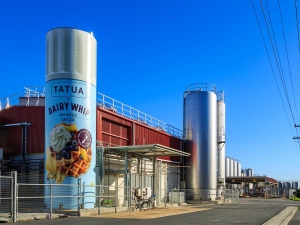
Waikato milk processor Tatua has again declared a record milk payout to farmer shareholders, leaving other processors in the dust.

A Labour-led Government won’t be bringing back the controversial freshwater rules of 2020.
National’s much-touted free trade deal with India featured in the Rural Issues Debate at Mystery Creek, Hamilton on Wednesday night.
New Zealand's 2026-27 freshwater fishing season has opened, with anglers encouraged to head to rivers and lakes over the coming days as conditions look favourable across much of the country.
Central Otago District Council (CODC) has voted against a plan to spread treated sewage sludge from Cromwell and Alexandra on farmland near Lauder, a decision Federated Farmers says reflects strong opposition from rural residents.
Pāmu has released its FY26 Integrated Annual Report, reporting a Net Operating Profit of $113 million, more than double the $49 million recorded in FY25.