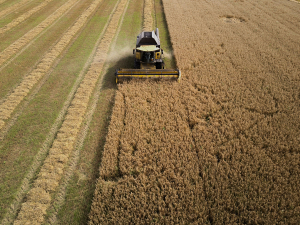
Damien O’Connor Criticises Budget 2026 as ‘Miserable’ for Rural New Zealand
A miserable budget that didn’t deliver much for anyone.
 increase font size
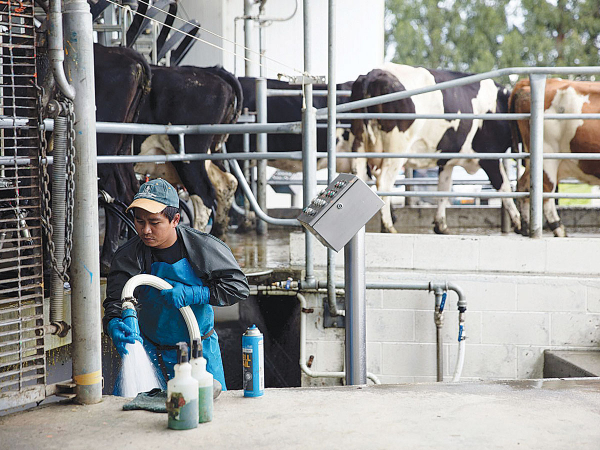 The Government has announced it will allow an additional 1,580 migrant workers into the country.
The Government has opened the door for an additional 1,580 experienced migrant workers to come into New Zealand for jobs in the dairy, meat processing and forestry industries.
Exceptions are being made to usual immigration rules to deliver much needed help for the meat, forestry and dairy sectors to keep up the momentum of economic recovery, Agriculture Minister Damien O’Connor and Forestry Minister Stuart Nash announced.
“Our reconnecting strategy includes special immigration provisions to allow critical workers to enter New Zealand, ahead of a full reopening and the wider re-set of border rules later in the year,” O’Connor says.
“Our food and fibre sector continues to lead the economic recovery from COVID-19. Food and fibre export revenue is expected to hit more than $50 billion by 30 June 2022, and it’s vital the sector has the experienced workforce it needs to achieve this.
“New Zealand’s food and fibre sector continues to show its resilience and ability to adapt and respond to the challenges brought about by COVID-19, but extra help is needed.”
O’Connor says it is clear New Zealand’s red meat sector requires access to experienced processing workers to tackle workforce challenges and preserve vital supply chains.
He says the previous border exception for 150 meat processors is fully subscribed. The additional exceptions expand the provision by an additional 500 workers.
The Government has also increased the current allowance for migrant dairy workers. Our calving season kicks off in June and July, and the dairy sector needs extra workers during this busy period.
“We’ve boosted the current dairy worker immigration arrangement by an extra 500 workers to enable our dairy industry to build capacity in the lead up to calving.
“This takes the number of migrant workers under this border exception arrangement to 800. There are no caps on particular roles in order to provide flexibility,” says O’Connor.
Nash says the Government has also agreed with an industry request for up to 300 silviculture forestry workers and up to 280 wood processors and manufacturers to enter New Zealand.
“The forestry industry is a big presence in our rural communities and regional economies, bringing vital jobs to regions across the country,” says Nash.
“The forest planting season runs from May to September and a shortage of workers could limit the number of trees going in the ground, and their survival rates. Silviculturalists also add value to the wider forest nursery industry through their management of plantings.
“The forestry industry also needs skilled workers in wood processing and manufacturing, across a range of roles like kiln operators, electricians, sawmill workers, timber machinists and carpenters. Extra help from migrant workers will keep building and construction supply chains open and meet the growing demand for timber and wood products.
“The forestry sector employs around 35,000 people and skills shortages in one area have flow-on effects given its highly integrated nature. Today’s changes will help lift the wider performance of this sector of our economy, and ease pressures in rural communities,” Nash says.
The border class exceptions take effect from today and are designed to address critical worker shortages in the lead up to implementation of the new Accredited Employer Work Visa (AEWV) which opens on 4 July 2022.
A miserable budget that didn’t deliver much for anyone.

OPINION: Farmers have been clear: it is getting harder, not easier, to find and keep good people.
National's decision to ‘dribble’ information about the NZ/India to Labour contributed to the delay in it deciding to supported the FTA.
A multi-cultural team is helping to establish one of New Zealand's largest plantings of premium eating grapes - while learning each other's languages and cultures along the way.
When it comes to international trade, politicians from all sides of the aisle are united, says Labour's trade spokesman Damien O'Connor.


Farmgate lamb prices are down by 8%, beef cattle by 4.5% and farm expenditure up by 4.2%.
Kiwifruit growers are watchful but remain optimistic as concerns around the potential effects of the El Niño weather pattern this season.
Almond hulls sourced from Australian orchards may have the potential to help New Zealand cows reduce emissions, boost milk yield and lower input costs.
Striking a balance between meeting the needs of industry to speed up approval time for products but on the other hand ensuring that risks are properly assessed.
Surprised, humbled and quite thrilled. That’s the reaction of James Allen, one of the founding partners and now chief executive of AgFirst, on being made a life member of the Institute of Rural Professionals.