Rural Vote Debate on Q&A: Substance or Just Platitudes?
It was billed as a chance for all the political parties to woo the rural vote, but question marks hang over just how effective this was.
 increase font size
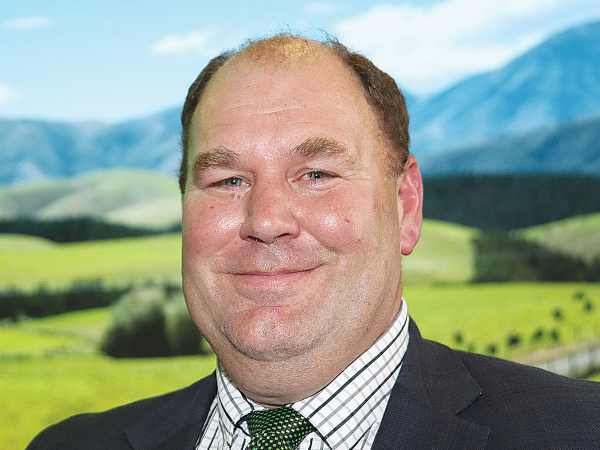 Associate Environment Minister Andrew Hoggard.
Freshwater farm plans will be improved to make them more cost-effective and practical for farmers.
The coalition Government says the current system for creating freshwater farm plans is to costly and complex.
Associate Environment Minister Andrew Hoggard says a fit-for-purpose freshwater farm plan system will enable farmers and growers to find the right solutions for their farm and catchment.
“Farmers faced an avalanche of regulation under the last Government, including its national Freshwater Farm Plans system.
“Using property and catchment specific farm plans makes sense because they can be used to identify environmental risks and plan practical on-farm actions to manage those risks.
“The current system is too costly and complex, and too broadly applied. We want to make sure that the cost of completing a farm plan, in both time and money, is matched with the level of risk.
“It is important that councils and the community can have confidence in the robustness of the freshwater farm plan system as an alternative to local rules and consents, where and when appropriate.
“We believe that farm plans should be able to highlight the work that many farmers and growers are already doing to reduce the impact of farming activities on the freshwater environment.”
Several regions have already started implementing freshwater farm plans in specific areas, including Waikato, Southland, the West Coast, Otago, and Manawatū-Whanganui.
“We want an enduring system that builds on the good work of farmers in these regions while making sure that any improvements to the system don’t result in sudden changes to plans already being developed,” says Hoggard.
“We are exploring how to make any changes fair for all farmers.
“As part of this, we may look into whether current requirements to complete a freshwater farm plan could be paused while improvements are developed.”
It was billed as a chance for all the political parties to woo the rural vote, but question marks hang over just how effective this was.

There's been widespread support from the primary sector for the Government's announcement on changes to freshwater farm plans that come under the Natural Environment Bill, which is now set to replace the existing RMA.
A pause on Waikato Regional Council's (WRC) plan change that sets new freshwater rules for farming could be announced in the coming weeks.
New Zealanders are being urged to be alert following a confirmed positive case of H5 bird flu this week.
OPINION: Farmers are being put on notice by the Green Party.


Farmgate lamb prices are down by 8%, beef cattle by 4.5% and farm expenditure up by 4.2%.
Kiwifruit growers are watchful but remain optimistic as concerns around the potential effects of the El Niño weather pattern this season.
Almond hulls sourced from Australian orchards may have the potential to help New Zealand cows reduce emissions, boost milk yield and lower input costs.
Striking a balance between meeting the needs of industry to speed up approval time for products but on the other hand ensuring that risks are properly assessed.
Surprised, humbled and quite thrilled. That’s the reaction of James Allen, one of the founding partners and now chief executive of AgFirst, on being made a life member of the Institute of Rural Professionals.