NZ Must Prioritise Food Security, Says HortNZ's Malley
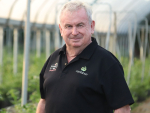
New Zealand needs to make sure that it continues to focus on its own food security, according to HortNZ board member and blueberry grower Dermott Malley.
 increase font size
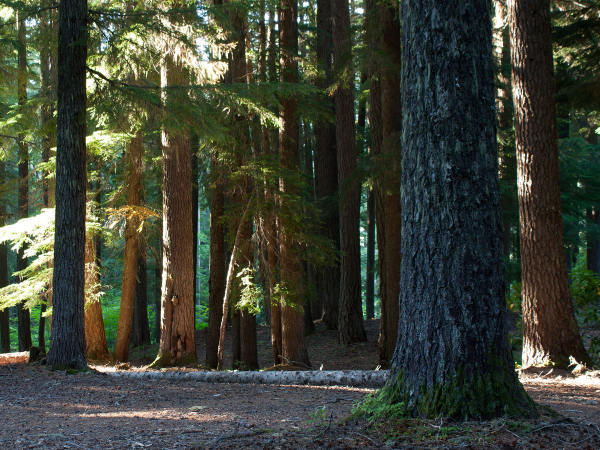 The move to cease Level 4 on Tuesday April 28, means most parts of the forest supply chain can start moving again.
The Forest Owners Association (FOA) says its members and the supply chain are gearing up to meet the challenge of getting back to work on Tuesday 28 April.
Its members will be working within the health and safety provisions of Alert Level 3.
The forest industry was deemed to be a non-essential industry, when the Government imposed the Level 4 lockdown on 26 March.
The move to cease Level 4 on Tuesday April 28, means most parts of the forest supply chain can start moving again. These include forestry management – including aerial spraying, weed and pest management, nursery operations, planting, and seed collection. It also means log harvesting, haulage, log sales and wood products processing can all start again.
FOA President, Phil Taylor, says his organisation supported the Level 4 restrictions, but now is the time to get back to work.
“Right from the outset we have been focussed on the safety of our workforce. Since then, there has been a collaborative process to develop protocols for operations right through the supply chain.”
Taylor says the New Zealand timber processing industry has had a whole month of virtually no production, which it needs to catch up on. He says some processers have already started producing for essential industries, such as making pallets for fruit exporters.
Taylor adds that forest owners are just as eager to get exporting back to normal as well.
New Zealand needs to make sure that it continues to focus on its own food security, according to HortNZ board member and blueberry grower Dermott Malley.
Bank of New Zealand (BNZ) and Pāmu (Landcorp Farming Limited) have developed a new way for landowners to earn revenue from existing native forests.
Forestry Minister Todd McClay has today congratulated the winners of the 2026 Growing Native Forests Champions Awards at Fieldays.
The Fieldays Forestry Hub returns to Fieldays in 2026 for the fifth consecutive year, highlighting the important role forestry and wood processing play in supporting New Zealand's economy, environment, and regional communities.
Two forestry companies have been sentenced for road failures that led to the death of Coromandel truck driver Greg Stevens.



Now in its fourth year, the 2026 Fencing Industry Awards, formed part of the proceedings of the FCANZ Conference, held in Nelson during August.
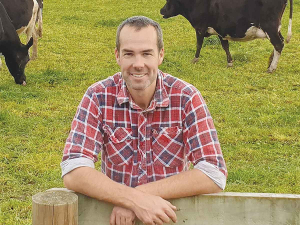
DairyNZ deputy chair Cameron Henderson has been re-appointed unopposed for another term.
OPINION: The stats speak for themselves.
Farms across the upper North Island are trialling different pasture mixes as part of a research programme that aims to build greater resilience into farming systems.
Election years are always a concerning time for farmers, according to DairyNZ chair Tracy Brown.
The Ballance Farm Environment Awards are coming to the West Coast of the South Island.