Ah Tatua, You've Done It Again!
Waikato milk processor Tatua has again declared a record milk payout to farmer shareholders, leaving other processors in the dust.
 increase font size
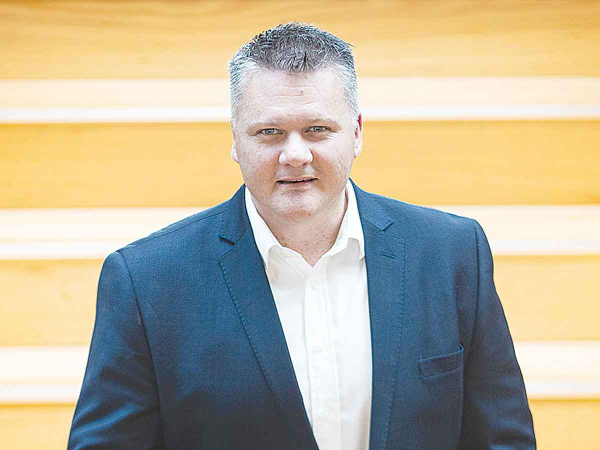 Fonterra chief executive Miles Hurrell has warned suppliers that many of its key customers have sustainability requirements that the co-op must meet and improve upon or risk losing their business.
Fonterra has told its farmer shareholders that on-farm sustainability must improve further or the co-op could lose $300 million of annual business from key customers.
The co-op says sustainability on farm is a fundamental requirement for most of its customers now.
In an email to farmer shareholders last week, Fonterra chief executive Miles Hurrell said many of its key customers have sustainability requirements “that we must meet and improve upon, and they regularly check up on us”.
“Collectively these customers represent over $2 billion in revenue annually and it’s estimated that approximately $300 million could be at risk if we do not meet their expectations.”
Hurrell made the comments as he announced a new milk payment linked to higher quality milk from supplying farms.
The new maximum payment of 10c/kgMS will be paid from the next season to farms meeting the co-op’s on-farm sustainability and value targets.
Presently, Fonterra farmers producing milk with lower somatic cell counts receive Farm Source dollars that can be redeemed at its stores. The new payment replaces Farm Source dollars and will be funded out of the farmgate milk price.
“The total farmgate milk price will remain the same across the cooperative, but the amount that each individual farm is paid will vary depending on their contribution,” says Hurrell.
“We’ve always paid our farmers based on the value that milk provides to the cooperative. The reality is that the drivers of value are changing, and we need to reflect that. Our customers want to know that the products they are buying are not only safe, but also produced sustainably.
“This payment helps us meet the changing needs of our customers, so they continue to choose our milk and enjoy dairy as a sustainable and nutritious choice.”
Hurrell says Fonterra is now seeing customers from across the globe requiring it to not only meet and improve upon their requirements, but also provide proof of completion.
“The risk is that these customers will move to competitors if they can demonstrate better performance, or a substitute for non-dairy products with lower footprints,” he says.
Nestlé spokesman Robert Erhard says at the world’s largest dairy company, how milk is produced matters.
“Now more than ever, people expect farmers to act as good stewards of the land – safeguarding the climate, enhancing animal welfare and carefully managing water and the health of soils.”
Northland farmer Terence Brocx says farmers put in a lot of effort to produce the best quality milk possible.
“Over recent years, large numbers of farmers have spent a significant amount of time and money to improve their local environment and waterways to make their farms sustainable for the future.
“It’s great to see these farmers distinguished and rewarded for their efforts to produce and deliver a product that Fonterra can capture the highest value from,” says Brocx.
Waikato milk processor Tatua has again declared a record milk payout to farmer shareholders, leaving other processors in the dust.
Fonterra has unveiled its annual results for the 2026 financial year, posting $27 billion in revenue and close to $20 billion returned to New Zealand farmer owners and unit holders.
Fonterra Co-operative Group has confirmed the independently assessed candidates standing for election to its board in 2026.
Fonterra has revised its Farmgate Milk Price forecast for the 2026/27 season, lifting the midpoint and narrowing the range on the back of improving global dairy commodity prices.
Outgoing Fonterra Co-operative Council chair John Stevenson says that it has been a privilege to represent the co-op's farmer shareholders.


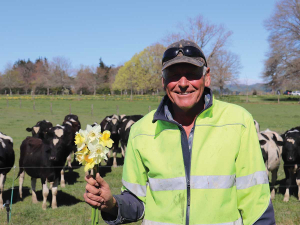
South of the central Hawke’s Bay town of Waipukurau is Taniwha Station – a highly successful 550ha bull beef farming operation.
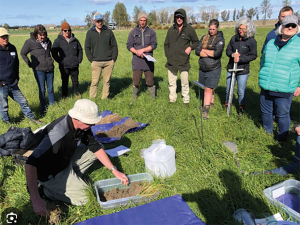
Beef + Lamb NZ funded research has shown that some simple changes to pasture management could help farmers make better use of rainfall and build resilience before dry conditions hit.
OPINION: There could hardly be a more appropriate theme for a conference than the one chosen by the red meat sector - Navigating Volatility.
When Northland leather worker Vernon Suckling started making horse saddles 50 years ago, quad bikes and side-by-side vehicles were unheard of.
Alliance Group has confirmed that eligible farmer-shareholders who supply and continue to back the business will receive up to $20 million later this year, following the strategic investment partnership with Dawn Meats.
With a general election under five weeks away, Rural News is asking major political parties about their policies and positions on key issues facing the primary sector. We will run their responses to each question over the next four weeks. The ACT Party and the Greens didn't respond in time.