Worst election result imaginable – Federated Farmers
Worst election result imaginable for New Zealand and not good for business confidence.
 increase font size
 Chris Lewis.
Forget about a trifecta of looming taxes, it’s a "pick six", says Federated Farmers Dairy chairman Chris Lewis.
He says opposition parties propose to slap six new taxes on farmers: land tax, capital gains tax, carbon tax, water tax, nitrogen tax and inheritance tax.
“I’m not a TAB betting man but we aren’t just facing a trifecta of taxes; it’s clearly a pick six,” he told Rural News online.
He was commenting on DairyNZ saying the Greens and Labour policymakers want to hit dairy farmers with a trifecta of environmental taxes that could average $18,000 per year for each farm.
And the cost to farmers who draw water for irrigation would exceed $63,000 per year, says DairyNZ chief executive Tim Mackle.
“But unlike winning the trifecta at the horse races, there’s nothing for NZ dairy farmers to celebrate,” says Mackle.
“Our economists calculate that the proposed carbon tax would add an average of $6850 to each farm’s costs, the nitrogen pollution tax would add $11,232 per farm, and then there’s Labour’s proposed water use tax which would add a further $45,000 average for farms irrigating.”
Of NZ’s 12,000 dairy herds, 2000 use irrigation.
“The tax trifecta would severely reduce dairy farm profitability, and possibly demand extra borrowing for some farmers to meet expenditure. It would impact the success of our rural economy and put at risk the livelihood of our rural communities.”
Lewis says the Greens and Labour are trying to tax farmers out of their livelihoods. He recently saw Waikato farmers angry about the proposed taxes.
“Farmers realise these opposition parties are using these taxes to leverage more support from urban voters.”
Lewis says Greens and Labour leaders told the Feds annual conference three months ago in Wellington that they would work with farmers and there “wouldn’t be a Punch and Judy show”.
“Those words meant nothing,” says Lewis.
Recent years have seen farmers doing a lot to improve water quality and riparian planting, he says.
“We know that like any industry we still have a couple of cowboys, but their number is getting less and less.”
Worst election result imaginable for New Zealand and not good for business confidence.

Farmers will wait it out like the rest of the country as the composition of the incoming government remains up in the air.
OPINION: The Government's decision to reinstate agriculture and horticultural science as a standalone subject from Year 11 is the right one.
With less than a week to go before voters choose the next government, Federated Farmers has a simple message to its members - get out and vote.
Federated Farmers has welcomed new rural policies released by ACT, saying they align closely with its own election priorities.


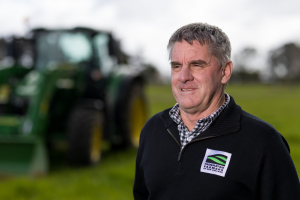
Worst election result imaginable for New Zealand and not good for business confidence.
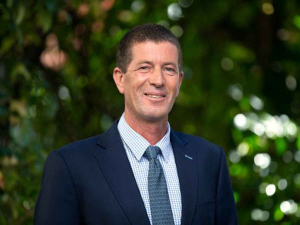
Associate Agriculture Minister, Mike Butterick has lost his Wairarapa seat in the final count released today.
Women across the dairy sector have an opportunity to invest in their leadership, education and professional development, thanks to a scholarship fund.
Three of New Zealand's leading primary sector organisations have joined forces to propose a new Food and Fibre Private Training Establishment (PTE).
OPINION: The World Dairy Summit, held in Auckland last week, delivered a poignant message – when it comes to global trade, the old order has passed away.
Deer Industry New Zealand (DINZ) has welcomed Government co-investment in a new $10 million programme aimed at increasing the value of New Zealand farmed venison, velvet and co-products and improving returns to deer farmers.