Can Drones Destroy Hornet Nests?
Will drones be the answer to tackling the problem of wasp and hornet nests high up in trees and other inaccessible places?
 increase font size

A BIOSECURITY dog has started her sniffing career in style – her detection work resulting in a Vietnamese air passenger being denied entry to New Zealand and later sent home.
New Ministry for Primary Industries (MPI) detector dog Clara (pictured with handler Lucy Telfar), who only started work last week, sniffed out plant material in a bag and a suitcase carried by the passenger on Thursday at Auckland International Airport.
The passenger had not declared any food materials on her arrival card.
Further investigation of the passenger's baggage revealed food packages that appeared to have been opened and repacked with biosecurity risk goods.
"That's when the alarm bells went off," says MPI detection technology manager Brett Hickman.
"There were seeds in a milk container. Other packages contained risk items such as home-produced pulled pork, pork floss, dried plants with insect damage, fresh leaves, and rooted cuttings.
"The items posed high risk to a wide range of New Zealand primary industries. For example, the homemade pork products could have been carrying foot and mouth disease.
"We believe the passenger's action was a deliberate attempt to smuggle dangerous goods into New Zealand."
As a result of Clara's good work, immigration officials refused the woman permission to enter the country. She was sent back to Vietnam on Friday.
Hickman says MPI currently has more than 35 dog teams working at airports and ports around the country to sniff out biosecurity items.
Will drones be the answer to tackling the problem of wasp and hornet nests high up in trees and other inaccessible places?
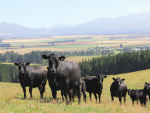
Bovine Viral Diarrhoea (BVD) is sometimes viewed as a dairy industry issue, but the reality is that the disease can have serious consequences for beef breeding herds as well.
Election years are always a concerning time for farmers, according to DairyNZ chair Tracy Brown.
Testing confirms H5 bird flu in a single northern giant petrel, found dead on a remote Cape Palliser beach in the Wairarapa, says Dr Mary van Andel, the Ministry for Primary Industries' (MPI) Chief Veterinary Officer.
Bovine Viral Diarrhoea (BVD) is sometimes viewed as a dairy industry issue, but the reality is that the disease can have serious consequences for beef breeding herds as well.



Three men have been sentenced in District Courts after Ministry for Primary Industries prosecutions over animal welfare, food safety and cattle tracing offences.
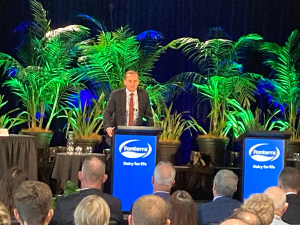
Fonterra’s 2026 financial year was a year of delivery, with record volumes of milk collected, processed and shipped by the co-op.
OPINION: The Government's decision to reinstate agriculture and horticultural science as a standalone subject from Year 11 is the right one.
Dairy farmers, still holding onto their Fonterra shares despite switching milk supply elsewhere or exiting the industry, now face a stricter share sell-down requirement.
Hamilton-based agritech company Aimer Farming has completed a $3 million capital raise to support its next stage of growth, including a beef farming product due to launch in 2027.
When dairy manager Miriam Lauridsen learned the farm, she was joining held weekly health and safety meetings, she initially thought that was “a bit over the top”. Experiencing that culture changed her mind.