Dairy Breeding Shift Delivers Major Gains in Herd Performance
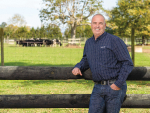
New Zealand dairy farmers are making more informed, strategic breeding decisions, and it’s paying off, according to CRV managing director James Smallwood.
 increase font size
 James Smallwood says that CRV has always remained connected with the needs of its kiwi farmers.
Herd improvement company, CRV Ambreed becomes CRV as the Dutch company brings together all its global business units under one brand name.
Ambreed was sold to Dutch global artificial insemination leader CRV Delta in 2003 and became CRV Ambreed.
New Zealand has a close connection with CRV’s head office in The Netherlands. Angus Haslett was managing director of CRV Ambreed for 10 years, and is now chief executive of CRV based in the Netherlands.
He says having one name sets up the company for a new era of competitiveness in local markets.
“For over 50 years, New Zealand dairy farmers have worked with CRV Ambreed to continue to improve their herds. And that won’t change.
“Running a local breeding programme allows CRV to breed the type of animal that suits New Zealand’s unique grazing-based farming systems. In fact, the international demand for our grass-based breeding product is growing and CRV grazing genetics are exported to many countries. At the same time, NZ farmers benefit from CRV’s access to overseas genetic innovations as well.”
James Smallwood, CRV’s NZ-based managing director Oceania business unit, says that while CRV is a significant player on the global genetics stage, it has always remained connected to the needs of its Kiwi farmers.
New Zealand dairy farmers are making more informed, strategic breeding decisions, and it’s paying off, according to CRV managing director James Smallwood.
Fewer bobby calves are heading to the works this season, as more dairy farmers recognise the value of rearing calves for beef.
The dairy sector is in a strong position, with high milk prices, declining interest rates, and renewed confidence.
Dairy farmers are one step closer to breeding cow with lower methane emissions, offering an innovative way to reduce the nation's agricultural carbon footprint without compromising farm productivity.
As demand for sexed semen soars, CRV is encouraging dairy farmers to take full advantage of it by using it on the top quartile of their herds.



Testing confirms H5 bird flu in a single northern giant petrel, found dead on a remote Cape Palliser beach in the Wairarapa, says Dr Mary van Andel, the Ministry for Primary Industries' (MPI) Chief Veterinary Officer.

"What's for dinner?" may sound like a simple question, but for many Kiwi parents, answering it has become a job in itself.
Fifty Eight years ago, on the 16th of August 1968, August Claas, the founder of the harvesting company and father of Helmut Claas, personally presented a Claas Senator combine harvester to Scottish farmer John Steven.
New Zealand consumers are paying more for beef mince than ever before, with the average retail price now sitting above $24 per kilogram, according to Rabobank.
State farmer Pamu has delivered its strongest operating result on record.
Four years since it was first detected in New Zealand, researchers and growers now know much more about management of maize pest fall armyworm (FAW).