
Kiwifruit Growers Prepare for El Niño, Stay Optimistic
Kiwifruit growers are watchful but remain optimistic as concerns around the potential effects of the El Niño weather pattern this season.
 increase font size
 Andrew Curtis.
Water storage is more important than ever as climate change causes more severe drought forecasts.
IrrigationNZ says a recent expert discussion document on drought and climate change highlights the future national planning to improve water storage and the urgent need to look at options to mitigate the effects of more severe droughts forecast.
NIWA projections included in the discussion document indicate that droughts are expected to become more severe in most areas and more frequent and severe in already drought prone regions.
The economic impacts of droughts in New Zealand were estimated at $720 million from 2007 to 2017 in a 2018 report for Treasury – with estimated costs significantly higher for drought than for flood related insurance claims over the same period.
“More frequent droughts and more variable rainfall will affect both urban and rural communities and will mean that we will need to rethink how we manage water in the future.
For example, with less rainfall forecast over summer in western areas of New Zealand, there will be more demand for water storage from both councils and farmers to provide a reliable water supply,” says IrrigationNZ Chief Executive Andrew Curtis.
“To adequately prepare for the future New Zealand needs to capture more of its plentiful water from rain and ice melt. Hopefully the issues highlighted in this document will lead to action to avoid our regions being crippled from future droughts,” says Curtis.
The document highlights that having been historically ‘water-rich’, New Zealand is not well-prepared to cope with a future that will involve more droughts in many areas. The report points out that: “much of our irrigation in drier areas is on a run-of-river basis, a model extremely vulnerable to drought given environmental obligations. New Zealand’s dependence on agricultural exports and urban reservoirs may yet be a recipe for drought vulnerability. Changing drought risk will have an impact on our society in many ways including on water supply, wastewater, stormwater and primary production among others.”
“It’s positive that the government is looking at how water services will be delivered in the future,” says Curtis. “The next step is to develop a national approach to plan for improved water storage for both urban and rural communities.”
“Local and regional water storage infrastructure can be expensive to design and construct but the need for this investment will become more critical in the future. We will also need new infrastructure in regions where this hasn’t previously been required as rainfall and river flows change.”
Curtis says that the recent decision by Tasman District Council to proceed with constructing a new dam to supply residents, businesses and growers with water, is the kind of investment that will increasingly be needed in the future.
“The project is critical to avoid severe water restrictions for urban and rural water users, and also provide for environmental river flows” says Curtis.
The recently completed Central Plains Water scheme is another example of a project which is designed to help mitigate the impacts of future droughts.
Curtis says that improving water use efficiency will also continue to be a priority.
“Farmers are already investing in more efficient irrigation systems and New Zealand has very efficient systems operating by world standards. Regional councils are continuing to require that farmers adopt more efficient irrigation systems and irrigation schemes are also modernising their networks to install piped systems which reduce water loss. Urban areas are also looking at programmes to improve and encourage water use efficiency.”
Kiwifruit growers are watchful but remain optimistic as concerns around the potential effects of the El Niño weather pattern this season.
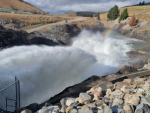
Opuha Dam's ability to protect South Canterbury communities from major flooding has taken a significant step forward, with Opuha Water Limited (OWL) successfully commissioning a new outlet valve capable of releasing record volumes of water from the dam ahead of a weather event.
With forecasters advising El Niño conditions will develop through winter and strengthen into spring and summer, Ballance Agri-Nutrients is encouraging farmers and growers to think ahead about nutrient planning and be prepared to work around challenging weather conditions.
Increased competition for water means the whole community is looking at how irrigators use water.
Irrigation NZ is warning that the government's Resource Management Act (RMA) reform risks falling short of its objectives unless water use for food production and water storage infrastructure are clearly recognised in the goals at the top of the new system.



LIC shareholders have elected a new North Island representative to the co-operative's Board, along with five representatives to its Shareholder Reference Group (SRG), following the company's Annual Meeting held in Invercargill.
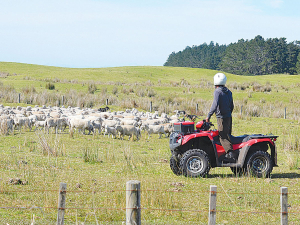
Farmers across parts of Southland and South Otago are continuing to deal with difficult conditions after a prolonged run of wet weather, with pressure building around feed supply, stock management, pasture damage, farm infrastructure and everyday workloads.
Federated Farmers says it welcomes Labour's commitment to reviewing the Sharemilking Agreements Act, calling on other major parties to do the same.
For Canterbury dairy farmers Sian Meijer and Rick Wobben, wearable technology has become one of their most valuable on-farm tools - helping manage 1850 cows across an expansive, high-performing dairy operation while improving efficiency, mating outcomes and day-to-day decision making.
Fonterra has unveiled its annual results for the 2026 financial year, posting $27 billion in revenue and close to $20 billion returned to New Zealand farmer owners and unit holders.
The first major update to the Dairy Cattle Code of Welfare in more than a decade has been released, marking what DairyNZ describes as an important step in ensuring animal welfare standards continue to evolve alongside scientific evidence and on-farm realities.