A marketing expert says it’s unlikely that the recent outbreak of avian influenza on an Otago poultry farm will have a significant impact on New Zealand’s trade relationships.
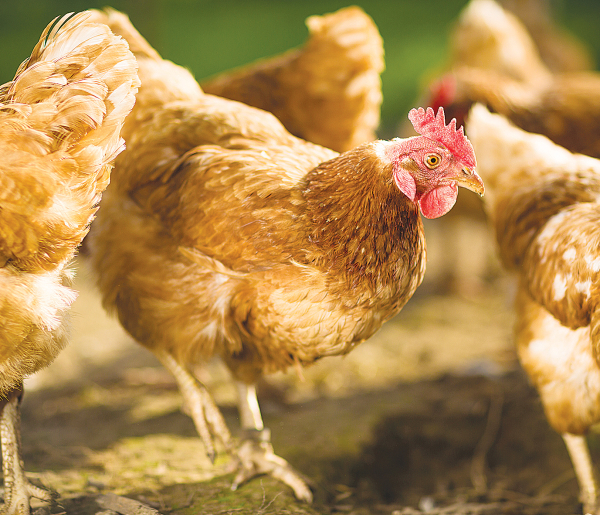
Earlier this month, Biosecurity New Zealand announced a case of H7N6 avian influenza had been found on a Mainland Poultry farm in Hillgrove, Otago.
At the time of printing, the farm was working to clear some 200,000 chickens cleared of all its chickens, including 40,000 from a rearing facility on-farm
Damien Mather from the University of Otago’s Department of Marketing says New Zealand has a good reputation overseas for its biosecurity system.
New Zealand enjoys a very good reputation with all our major export partners for all our products,” he told Rural News.
“More broadly than that, as a country of origin for almost any food brand, we have a good reputation for biosecurity controls... and that’s come about for a couple of important reasons and one of them is that if you don’t tick every box and dot every ‘i’ and cross every ‘t’ for all of the requirements everywhere in the world, well then, some of the markets will use it as an excuse not to let our products in to compete with their local products,” Mather says
“From a business/ trade access perspective, New Zealand’s got this very good reputation to uphold and they’re doing it right now with this poultry bird flu outbreak,” he says.
Meanwhile, Biosecurity New Zealand deputy director-general Stuart Anderson says he is confident avian influenza can be stamped out. However, he says there is still work to be done.
At the time of printing, Mainland Poultry’s Hillgrove property is the only chicken farm to date where avian influenza has been found.
The farm remains under strict biosecurity lockdown. Testing will continue on five other Mainland Poultry properties for up to 21 days, the full incubation period for the disease.
“Along with the farmer involved and our industry partners, we’ve made strong, quick, progress,” Anderson told Rural News.
He says Biosecurity New Zealand is still focused on eradicating this specific strain of avian influenza.
“Once we have achieved that, we will properly reflect on the response and adopt what we’ve learnt for the future,” he says.
“However, at this stage, acting quickly and working together with industry are key factors in helping our efforts, alongside farmers already having strong biosecurity practices in place, which is the case at Hillgrove.”