NZ Red Meat Sector Disappointed as US Lamb Probe Advances
New Zealand's red meat sector says it is disappointed that the United States' investigation into lamb imports will move to its next phase.
 increase font size
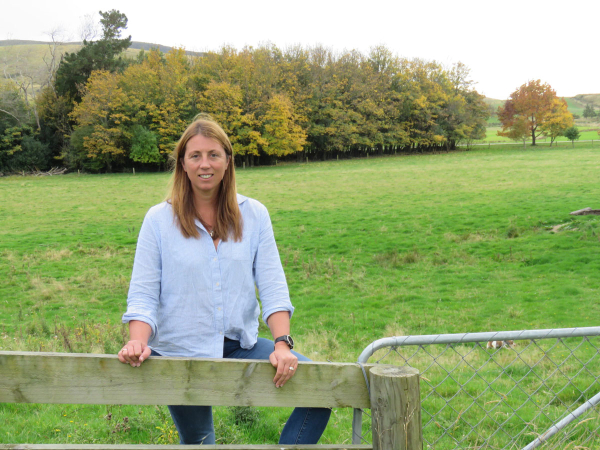 Kate Acland
Farmgate lamb prices are down by 8%, beef cattle by 4.5% and farm expenditure up by 4.2%.
That’s what Beef+Lamb NZ is predicting in its new season outlook and all due it seems to the rising NZ dollar, higher input costs and the risk of what the El Nino weather system will bring.
Farm Profit Before Tax is forecast to average $267,200, down 20% on the provisional record season average of $335,500 in 2025-26, but still well above the five-year average.
But it’s not all bad news. B+LNZ chair Kate Acland says that even with forecast decreases the new season returns promise to be very good.
“They are still well above the 2024-25 season and above the five-year average,” she says.
Acland says recent prices provided a much-needed turnaround and stronger cashflow through 2025‑26 have allowed many farm businesses to repay debt, catch up on fertiliser programmes, complete deferred repairs and maintenance, and reinvest in the farm business after several low‑profit years.
Looking ahead, she says global red meat supply remains tight and demand from key markets continues to support strong prices. But she adds that slower global economic growth, cost-of-living pressures and a stronger NZ dollar are expected to limit further price increases in the coming season.
Acland notes that events in international markets could negatively impact NZ, such as the US investigation into lamb imports and volatility in global beef export flows caused by China’s beef safeguard.
“The conflict in the Middle East is leading to higher fuel and fertiliser costs and farmers also need to consider the risk that the forecast dry El Niño conditions could inhibit pasture growth, leading to lower liveweight gains, lighter carcass weights and less production,” she says.
Acland says these factors will all impact farm margins and farmers need to focus on building financial resilience, improving productivity, and planning for both climate‑related shocks and market downturns.
New Zealand's red meat sector says it is disappointed that the United States' investigation into lamb imports will move to its next phase.

Ravensdown shareholders have elected Jane Montgomery and Kate Acland to the Ravensdown Board for three-year terms, following a closely contested director election.
Beef + Lamb New Zealand (B+LNZ) says it welcomes the passage of the Natural Environment Bill and Planning Bill, calling the bills a positive step for sheep and beef farmers.
As farmers begin thinking about establishing next year’s winter forage crops, Beef + Lamb NZ is encouraging farmers to carefully consider what crops they are planting and where.
Red meat farmers are welcoming Labour’s plan to review the Emissions Trading Scheme and not to campaign on pricing agricultural emissions.


Farmers opposing rural trader Farmlands’ investment in AgriZeroNZ are warning the co-operative board not to brush away their concerns.
Farmers will wait it out like the rest of the country as the composition of the incoming government remains up in the air.
The International Dairy Federation’s World Dairy Summit has returned to New Zealand after sixteen years.
The New Zealand government is calling on global dairy industry players to urge their countries to bring down trade barriers.
Overseer Ltd has released an update to OverseerFM, the farm environmental modelling software, incorporating research findings that refine its estimates of crop nitrogen uptake.
New Zealand's red meat sector says it is disappointed that the United States' investigation into lamb imports will move to its next phase.