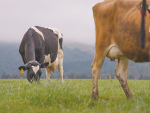
The number of beef cattle increased for the fourth year in a row in 2020, while the national dairy herd and sheep flock have both continued to fall in recent years, Stats NZ said.
Provisional figures from the 2020 agricultural production survey showed beef cattle numbers increased 2%, to 4 million in June 2020, returning to levels last seen a decade ago.
“Beef prices have generally remained strong and supported the increase in beef cattle numbers since 2016. There are now a lot more steers than there were a few years ago and the beef breeding herd (beef cows and heifers in calf) has increased significantly,” said agricultural production statistics manager Ana Krpo.
There were 1.2 million steers as at 30 June 2020, an increase of 180,000 or 18% since 2016. In the same period, the beef breeding herd increased by 111,000 or 12%.
Total beef exports were worth about $3.8 billion in the year ended June 2020, up from $3.3 billion the year before.
“Compared with 2016, when the beef cattle herd started to increase, annual beef exports have grown by $700 million,” Krpo said.
“Steer and heifer prices per kilogram took a leg up in 2015 and remain above levels seen earlier in the decade,” she said.
Krpo says that dairy cattle numbers peaked at 6.7 million in 2014 but have since fallen to 6.1 million in 2020.
“The annual value of dairy product exports shot up to almost $16 billion in 2014 when international prices were high, before falling back to about $12 billion in the following few years, returning to more than $16 billion in 2020,” she said.
Krpo adds that dairy export volumes have remained steady in the past five years, despite a smaller dairy herd.
The milking herd at 30 June 2020 was 4.7 million, down by 3 percent from the previous year.