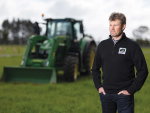
NZ Apple Growers Ready to Share Expertise in India
New Zealand's role is not to compete with Indian growers, according to NZ Apples and Pears.
 increase font size
 The avocado industry has become the seventh industry partner to join the Government Industry Agreement (GIA) biosecurity partnership.
The avocado industry has become the seventh industry partner to join the Government Industry Agreement (GIA) biosecurity partnership.
"It's very pleasing to have the avocado industry on-board, working with the Ministry for Primary Industries and other industry partners to manage and respond to the most important biosecurity risks," says Primary Industries Minister Nathan Guy.
Avocados are New Zealand's third largest fresh fruit export. In the 2014-2015 season the industry produced 7.1 million trays of avocados worth around $135 million.
"The GIA means the industry can work in partnership and contribute their time, expertise, and resources to achieve better biosecurity outcomes," he says.
"Biosecurity is a shared responsibility and we need the input of industry and the wider public to make the system as effective as possible.
"I've always said biosecurity is my number one priority as Minister and this is backed up with a range of new initiatives. Last year's funding boost of $27 million has meant more detector dogs, x-ray machines and inspectors.
"We also have the new border clearance levy, a new inflight video for international passengers, and an $87 million biocontainment laboratory under construction at Wallaceville."
The New Zealand Avocado Growers' Association joins Kiwifruit Vine Health, Pipfruit New Zealand, New Zealand Pork, New Zealand Equine Health Association, Onions New Zealand, the NZ Forestry Owners Association and the Ministry for Primary Industries under GIA.
New Zealand's role is not to compete with Indian growers, according to NZ Apples and Pears.
Testing confirms H5 bird flu in a single northern giant petrel, found dead on a remote Cape Palliser beach in the Wairarapa, says Dr Mary van Andel, the Ministry for Primary Industries' (MPI) Chief Veterinary Officer.
The apple sector is working with the Government to unlock access to two key markets that could bring millions in revenue for apple growers.
A Palmerston North shearer has been sentenced to six months' community detention and 12 months' supervision after being found to have physically abused three lambs while shearing them.


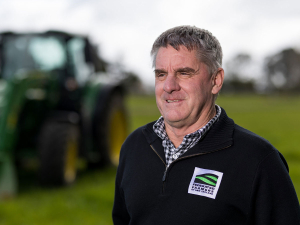
National’s pledge to introduce 19 new national standards shows the party is serious about getting Wellington out of farming, Federated Farmers says.
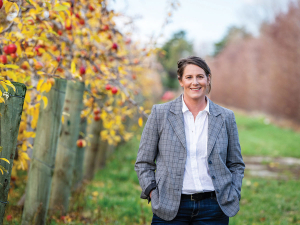
The National Party’s policies to make it easier to grow fresh vegetables, secure reliable water and energy and simplify farm planning are practical changes that will give growers the confidence to invest, according to Horticulture New Zealand (HortNZ).
Fonterra Co-operative Group chief financial officer Andrew Murray has resigned to take up a role outside the dairy giant.
A major move is about to get underway to improve the quality and viability of dairy beef and cattle in NZ.
Veterinarians say changes to the code of welfare for dairy cattle provides a positive foundation for improved cattle welfare across the country.
Today, 15 October, is the International Day of Rural Women, which recognises rural women’s contribution to farming, communities and the environment.