
Science system shakeup ‘to maximise investment value’
Reaction to the Government’s major overhaul of the country’s seven crown research organisations has so far been largely positive.
 increase font size
 Scientists are in the Hawke's Bay, looking at the impact of Cyclone Gabrielle on the area's apple industry.
Scientists from Plant & Food Research have been collecting data from apple orchards in Hawke’s Bay to better understand the impact of Cyclone Gabrielle on plant and soil health and support grower’s management decisions.
The Soil Health – Assessment and Recovery Project, which got underway two weeks after Cyclone Gabrielle hit, has involved working with approximately 30 orchard owners and managers to study the effects of silt and waterlogging on apple blocks.
Working with New Zealand Apples and Pears Inc, the aim is to develop resources that will be shared industry wide and help optimise grower’s spend on recovery efforts.
“This has been an extraordinary event and the industry has done a fantastic job of getting through the harvest under extremely challenging conditions,” says New Zealand Apples and Pears chair Richard Punter says.
“Heading into winter, there are more complex decisions to be made and our focus is on keeping information flowing through to growers,” he says.
Project leader, Dr Stephen Trolove from Plant & Food Research says while damage varies significantly in the region, it is estimated the cyclone has cost the Hawke’s Bay horticulture industry approximately $1.5 billion in terms of lost production and replanting costs.
About 4,000 hectares of apple orchards alone have been impacted by silt or waterlogging following the cyclone.
With winter pruning around the corner, growers will be considering where to focus recovery efforts, with the hope of nursing stressed trees back to good health and ensuring they can deliver a crop in the coming seasons.
“Waterlogging can suffocate trees, and extremely wet soils can lead to serious root disease issues, and we want to get more information on the implications for longer term tree survival,” says Trolove.
“The data we collect will improve our understanding of the issues presented in the different blocks and which management practices were more effective, enabling growers will be able to make better decisions when floods occur in the future.”
Plant & Food Research has partnered with horticultural consultants AgFirst and Fruition Horticulture on the project, who have used their networks and expertise to help identify orchards for the study and assist with data collection and interpretation.
The first round of surveying on orchards took place two weeks after the Cyclone and orchard blocks are now being revisited for the second time, to reassess the condition of trees and groundcover.
Dr Jim Walker, who has led Plant & Food Research’s industry engagement since the cyclone, says other projects aimed at supporting the recovery of the horticultural sector in the aftermath of the February storm are also underway.
“We are listening carefully to feedback from industry partners and growers with a focus on building back even better.”
“These initial projects and the data collection that’s underway could also help inform future research, such as orchard design for a changing climate, as well as the work we do with developing new rootstocks and apple varieties.”
Reaction to the Government’s major overhaul of the country’s seven crown research organisations has so far been largely positive.
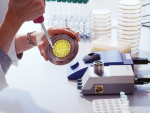
The government has announced a major restructuring of the country's seven crown research institutes (CRIs), which will see them merged into three public research organisations (PROs).
Later this month, Ardgour Valley Orchards apricots will burst onto the world stage and domestic supermarket shelves under the Temptation Valley brand.
Regenerative farming trials in Gisborne, in partnership with Woolworths, LeaderBrand, and Plant & Food Research, are uncovering promising opportunities for sustainable vegetable farming in New Zealand.
Harnessing microbial communities to mitigate grapevine trunk disease is an “exciting prospect” for New Zealand’s wine industry, says Dr Hayley Ridgway.


New Zealand's red meat sector says it is disappointed that the United States' investigation into lamb imports will move to its next phase.

Three men have been sentenced in District Courts after Ministry for Primary Industries prosecutions over animal welfare, food safety and cattle tracing offences.
Fonterra’s 2026 financial year was a year of delivery, with record volumes of milk collected, processed and shipped by the co-op.
OPINION: The Government's decision to reinstate agriculture and horticultural science as a standalone subject from Year 11 is the right one.
Dairy farmers, still holding onto their Fonterra shares despite switching milk supply elsewhere or exiting the industry, now face a stricter share sell-down requirement.
Hamilton-based agritech company Aimer Farming has completed a $3 million capital raise to support its next stage of growth, including a beef farming product due to launch in 2027.