Too Lenient
OPINION: Reckless action by Greenpeace in 2024 forced Fonterra to shut down a drying plant for four hours, costing the co-op about $300,000.
 increase font size
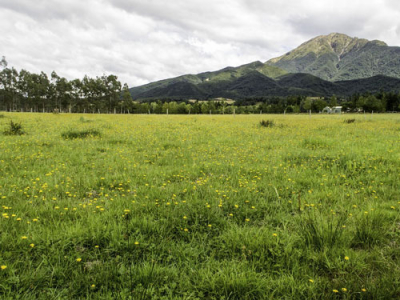 Greenpeace is calling for a ban on the use of nitrogen fertilisers.
The multi-national environmental activist group Greenpeace is again targeting the New Zealand farming sector, this time calling for a ban on the use of nitrogen fertilisers.
The group has spent the last few years blaming the agricultural sector for polluting the country’s waterways and rivers, campaigning against irrigation and criticising agriculture’s greenhouse gas emissions.
Now in its sights are the two farmer-owned fertiliser co-operatives Ravensdown and Ballance, which Greenpeace claims sell 98% of all fertiliser used in NZ.
“Chemical nitrogen fertiliser is the fuel that drives industrial dairying,” claims Greenpeace campaigner Gen Toop. “It is spread onto NZ’s dairy farms in ever-increasing amounts to grow more and more grass for too many cows.”
Toop says the use of nitrogen fertiliser has increased seven-fold since 1990.
“Chemical nitrogen fertiliser is a double-whammy for the climate and our rivers. It increases the number of cows, which increases greenhouse gas emissions and pollution of rivers. On top of that it directly emits nitrous oxide and leaches nitrate into waterways.”
Toop and Greenpeace accuse Ravensdown and Ballance of “profiting off environmental destruction”.
“It’s time the Government reigned them in and banned chemical nitrogen fertiliser.”
OPINION: Reckless action by Greenpeace in 2024 forced Fonterra to shut down a drying plant for four hours, costing the co-op about $300,000.

A day after selling its consumer businesses, Fonterra has settled a civil claim, filed by Greenpeace, out of court.
OPINION: Governments all over the world are dealing with the fuel crisis.
OPINION: Dark suited spin doctors exist to, well, spin, and the nice cuddly progressive types at Greenpeace Aotearoa practice this dark art with the same cynicism as your average corporate giant.
OPINION: In recent weeks beaches in Auckland, Wellington and Christchurch have been unsafe to swim in because of recent heavy rain triggering wastewater overflows throughout the region.


Farmer-owned fertiliser company, Ballance Agri Nutrients is welcoming National’s plan to negotiate security agreements with key supplier countries to protect New Zealand-bound products from export restrictions and greater supply chain certainty.

Carrfields has announced the appointment of Stu Hall to the newly created role of chief operating officer, Carrfields Ltd, reflecting the continued growth of their agribusinesses and the need to ensure the company has the leadership capacity and support in place as it pursues the emerging opportunities ahead.
New Zealand's role is not to compete with Indian growers, according to NZ Apples and Pears.
The potato industry is celebrating the success of two rising stars - James Blair, the 2026 Young Grower of the Year and runner-up and innovation award winner, Amber Davy.
Twenty-eight emerging leaders from across the horticulture sector spent two days last month learning valuable skills and connecting with industry experts.
There are five entrants in this year’s Young Horticulturist of the Year, competing in a series of technical, practical, business and leadership challenges.