‘Disappointing’ is how Alliance Group is describing its latest annual result.
The meat co-op has announced a loss before tax of $97.9 million for the year ending 30 September 2023 (FY2022 profit $116.3m) on a turnover of $2 billion (FY2022 $2.2b).
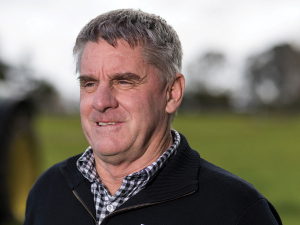
Chair Murray Taggart says the past year had been ‘extremely difficult’ for the company and farmers.
“2023 is the 75th anniversary of the formation of Alliance, but it has not been a year to celebrate,” he says. “This year’s loss is very disappointing, coming off last year’s record financial result.”
Taggart says Alliance’s board and management have undertaken a ‘comprehensive review’ of the business and is taking steps to get the co-operative back on track to profitability.
“While it is early days, initial trading this financial year is tracking to expectations.
“Like all New Zealand red meat processors, Alliance faced significant volatility as a result of geo-political tensions, labour constraints, inflationary pressures and weakening global markets.
Taggart explains that prices in key global markets began falling steeply through the October-December 2022 period and remained weaker for the remainder of the financial year, compressing margins.
“The global market price for lamb fell almost 25% in just two weeks in October. As a result, the co-operative recorded a significant decline in inventory value between October and December 2022, driven by the challenging global markets.”
He added that China, Alliance’s largest export market by value and volume, has yet to bounce back after the COVID-19 pandemic.
“Globally, high interest rates and inflation eroded consumers’ discretionary spending. Fewer people dined in restaurants, and more people swapped higher priced red meat proteins such as lamb for less expensive white meats in their weekly grocery shop.
“There were also high levels of inventory across all proteins in various markets, particularly lower cost Australian sheepmeat, which drove pricing down.”
Chief executive Willie Wiese claims Alliance is confident in its long-term strategy.
“We have made changes across the business in response to the tough trading environment. These conditions have highlighted significant opportunities for improvement. Solutions, ingredients and materials remain a key focus and we have identified opportunities to create greater market value in 2024 and beyond.”
He says the co-op has continued to invest in its plant network including the completion of a $16m warehouse automation project at the Lorneville plant in Southland and is introducing cutting-edge artificial intelligence technology to measure eating quality.
“Our continued investment in our plants, people and processes has resulted in improved reliability, yield and product quality.
“While we’ve had a difficult year, we are confident Alliance has an exciting future for the next 75 years.”
The co-operative’s annual meeting will be held in Alexandra on 15 December.