New Dairy Holdings CEO Backs Self-Contained Model
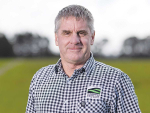
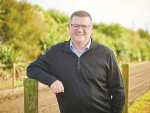
Running a tight and self-contained ship is the key to the success of the country's largest dairy farmer, says Blair Robinson, the new man at the helm of Dairy Holdings.
 increase font size
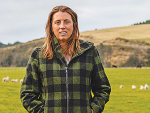
 Sarah Barr.
South Canterbury rural consultant Sarah Barr says there is a huge degree of anxiety on the ground over the surge in the Mycoplasma bovis eradication effort.
She told Rural News the announcement of the surge, made just before Easter, was worrying for people who had been previously caught up in the effort.
“People who know they’ve got traces, but haven’t yet been followed up. And people who aren’t involved but are concerned that now they may be.”
Barr says the impacts of the disease are enormous across the wider industry, with many stock agents having reduced incomes.
“I wouldn’t say [stock sales] have been completely paralysed, but they’ve certainly been significantly impacted as a result of that announcement.”
Barr was previously the Rural Support Trust’s South Island (except Southland) M. bovis response co-ordinator but she resigned from that role last July over dissatisfaction with MPI’s handling of affected farmers.
However, she has continued to work with a number of M. bovis clients “because they don’t have the luxury of resigning”.
As a consultant, Barr specialises in rural succession planning and team development. Her M. bovis support work is still funded by MPI but at a much lower rate than when working in her own right.
“I’m just fortunate that I’m self-employed and I’ve been able to put my life on hold to an extent and support these people,” she said. “It matters too much.”
Barr declined to comment on how MPI is now handling the response.
“I don’t want to form a view there,” she told Rural News. “All I’m concerned with is helping the farmers, which I can do on the ground well – help them minimise the pain and anxiety that being part of the M. bovis response inevitably leads to.”
Barr says she is sure there are people coming out the other side who haven’t had as terrible an experience.”
However, she believes anxiety remains for those still trying to get themselves out of the programme and for those worrying they might yet be caught up in it.
“We cannot minimise the pain being felt by many.”
Running a tight and self-contained ship is the key to the success of the country's largest dairy farmer, says Blair Robinson, the new man at the helm of Dairy Holdings.
OPINION: It's no surprise that "world-class biosecurity" continues to dominate as the top priority for agribusiness leaders, holding the number one spot for the 16th consecutive year in KPMG's latest agribusiness report.
Compensation assistance for farmers impacted by Mycoplama bovis is being wound up.
New Zealand's world-first Mycoplasma bovis eradication programme is making great strides but this isn't the time for complacency, says Ospri.
A national pest management plan to eradicate Mycoplasma bovis (M. bovis) will come into effect by the end of this year.


During the nesting season, from September to December, industrious starlings can quickly build nests in the darker areas behind tractor and vehicle, usually close to hot engines, typically resulting in localised damage or in some cases complete write-offs.
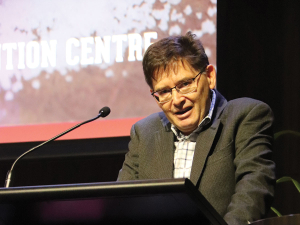
The meat processing industry is much more collegial than it was in the past and is now more focused on common goals.
With the last couple of months having seen some potential tractor purchases put on hold with the impending election and continued input cost rises, year-to-date figures, ending September, has seen deliveries up around 5% over the same period in 2025, with a total of 2026 units.
Beef+Lamb New Zealand is calling for nominations for director roles in the Northern South Island and Northern North Island electoral districts.
Fonterra chief executive, Richard Allen says being resilient has helped the dairy industry overcome extreme volatility in recent years.
The head of the Ministry for Primary Industries (MPI) trade and international relations group says New Zealand is well-positioned to secure trade access and compete internationally as the world becomes more complicated, demanding and uncertain.