Award-winning Māori farm severely damaged by isolated Northland thunderstorm
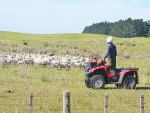
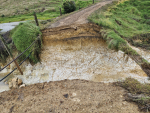
One of the country's top Māori farms has been badly damaged by a severe isolated thunderstorm which hit parts of the east coast of Northland last week.
 increase font size
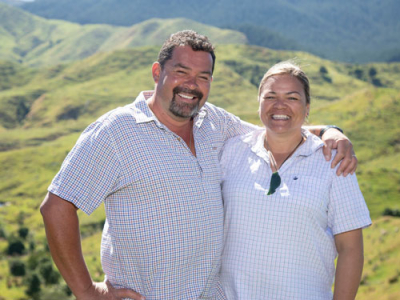 Eugene and Pania King.
The three finalists in this year’s Ahuwhenua Trophy for the top Māori sheep and beef farm have been announced.
They are Whangara Farms, Gisborne; Te Awahohonu Forest Trust – Gwavas Station, Tikokino near Hastings and Kiriroa Station – Eugene & Pania King, Motu, near Gisborne.
The finalists were announced at Parliament yesterday by the Minister of Agriculture, Damien O’Connor.
The Ahuwhenua Trophy is awarded for excellence in Māori farming and was inaugurated in 1933 by the renowned Māori Leader, Sir Apirana Ngata and the Governor General at the time, Lord Bledisloe. The objective was and still is to encourage Māori farmers to improve their land and their overall farming position as kaitiaki. On a three year rotational basis, the Trophy is competed for by Māori farmers in the sheep and beef, horticulture and dairy sectors.
Ahuwhenua Trophy Management Committee chairman, Kingi Smiler says the high calibre of this year’s finalists shows the strength of the Māori agribusiness sector. He says selecting the three finalists from an impressive field of entrants was no easy task.
“This competition is prestigious and people actively seek to enter this event to showcase the quality of their farming enterprises. What makes Māori sheep and beef farms so special is that in most cases they are in remote hill country areas which in itself makes farming operations challenging throughout the year, but especially in times of adverse events. The resilience and innovation shown by these people is an example to all New Zealanders that hard work coupled with clear strategic objectives and excellent farm management can produce some outstanding outcomes,” he says.
Smiler says that over the years the Māori agribusiness sector has grown exponentially, not only in sheep and beef, but also in dairy and horticulture. He says Māori are rapidly moving into the value-add space and to increase returns from their assets.
“We are seeing better governance in trusts and incorporations and they in turn are employing top managers to run their businesses. At the same time young people are coming back to work on the land which is great. Māori are making the economic impact we always knew they could,” he says.
One of the country's top Māori farms has been badly damaged by a severe isolated thunderstorm which hit parts of the east coast of Northland last week.
Recently two of New Zealand's top Maori sheep and beef farms held field days as part of the prestigious Ahuwhenua Trophy competition. The two are: Whangaroa Ngaiotonga Trust, northeast of Whangarei, and the proprietors of Tawapata Onenui farm on Mahia Peninsula in southern Hawke's Bay. Reporter Peter Burke attended both field days.
Farms from Northland and northern Hawke's Bay are the finalists in this year's Ahuwhenua Trophy competition for the top Māori sheep and beef farms.
The search is on to find the top Māori sheep and beef farm with entries now open for the 2025 Ahuwhenua Trophy competition.
A dairy farm owned by one of the largest Māori dairying farming operations in the country has won the prestigious Ahuwhenua Trophy for the top Māori dairy farm for 2024.


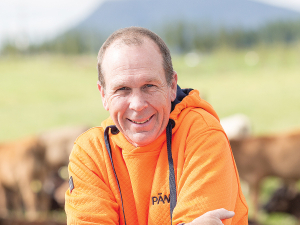
Pāmu has released its FY26 Integrated Annual Report, reporting a Net Operating Profit of $113 million, more than double the $49 million recorded in FY25.

Meat Industry Association data, released alongside the Red Meat Sector conference in Wellington, shows export value climbing across the US, China, UK and Canada.
Applications are set to open for the 2027 Zanda McDonald Award, a trans-Tasman award recognised for identifying and fast-tracking talented young leaders in agriculture and agribusiness.
The Royal New Zealand College of General Practitioners (the College) and Hauora Taiwhenua Rural Health Network are calling for investment in a proposed new training pathway for rural GPs, warning that many rural practices are struggling to recruit while a large share of the existing workforce nears retirement.
Federated Farmers has called on Central Otago District Council (CODC) to drop or vote down a plan to truck sludge from Alexandra and Cromwell to farmland near Lauder, warning it would compound an "outrageous" situation created by a separate council's decision weeks earlier.
Synlait has swung to second-half profit as operations stabilise, but the dairy processor still posted a $75.4m annual loss.