BCS Targets: Why Body Condition Score Matters at Calving
Body Condition Score (BCS) is a critical element in managing the health and reproduction of the dairy herd.
 increase font size
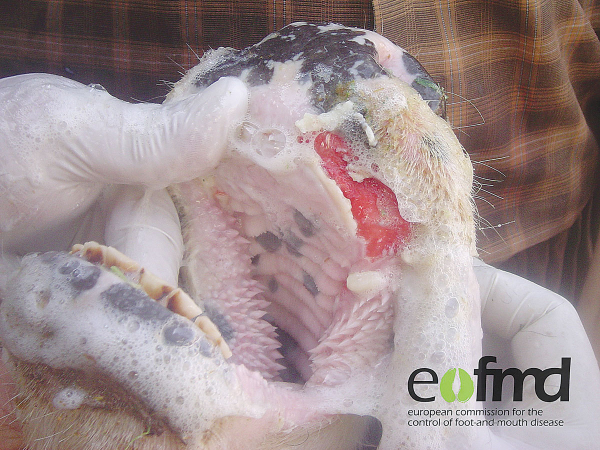 FMD symptoms in cattle blisters in the mouth and between hooves. Photo credit: European Commission for the control of foot and mouth disease.
Farners are being reminded to be particularly stringent with their on-farm biosecurity as foot and mouth disease spreads through popular tourist destination Bali and other parts of Indonesia.
Will Halliday, Beef + Lamb New Zealand's senior advisor biosecurity and animal welfare, says if the highly infectious disease of cloven-hoofed animals were to reach New Zealand, the result would be catastrophic for our livestock industries and the wider economy.
He points out that infected cattle wandering through popular tourist resorts in Indonesia pose a real risk as tourists can unwittingly bring infected material back on their footwear or sports equipment.
"While there are good biosecurity measures in place at airports, we strongly suggest farmers don't allow overseas visitors who have been near animals, particularly those from Indonesia, onto their farm for at least a week after their arrival."
Halliday says with an outbreak relatively close to home, it is good time to review farm biosecurity plans and practices to ensure everyone on the farm knows what they need to do to protect the farm business and the wider industry from FMD and other diseases.
This includes ensuring all cattle and deer movements on and off the farm are recorded through NAIT and that ASD forms are readily available. Ask visitors to sign in when they arrive on the farm and make sure all footwear, tyres and equipment is cleaned when they arrive and when they leave.
Ensure boundary fences are well maintained and follow quarantine protocols when new stock arrives on-farm.
"It is also crucial farmers do not feed uncooked food waste to pigs as this can be a pathway for transmission."
Halliday adds that farmers should know what FMD symptoms to look out for as these can vary between species.
In cattle, the symptoms include excessive drooling, smacking the lips, shivering, depression/dullness, reluctance to eat and walk, sudden drop in milk yield and blisters in the mouth and between hooves.
The symptoms in sheep are more subtle and inclue mild to moderate lameness, tendency to lie down and stop grazing, blisters between the hooves and in the mouth.
In pigs, FMD shows up as sudden lameness and a tendency to lie down, loss of appetite and blisters on snout and hooves.
Halliday says it is important to note that in most cases, multiple animals will be affected simultaneously. He says if farmers notice any of these symptoms, they should inform their veterinarian or call Ministry for Primary Industries on 0800 80 99 66 immediately.
"Farmers should not hesitate to call their vet or the 0800 number. We would much rather a false alarm than an outbreak made worse by a hesitancy to make a call."
Keep An Eye Out!
Foot and Mouth Disease is spreading through popular Indonesian tourist destinations including Bali.
Body Condition Score (BCS) is a critical element in managing the health and reproduction of the dairy herd.
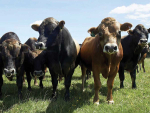
Bull management involves ensuring the right number of healthy bulls for your herd, minimising stress and reducing injury risks.
It's easy to look over a lush spring paddock and assume cows are getting enough usable nutrition. But while fast-growing pasture can give plenty of volume, in high moisture, variable dry matter and uneven mineral profile can leave real nutrition gaps when cows need it most.
Rearing facilities should be set up and maintained well to ensure calves stay healthy.
Solid biosecurity practices, regular monitoring and timely vaccination are the three key pillars of effective Bovine Viral Diarrhoea (BVD) control on New Zealand farms. Zoetis veterinary technical advisor, Karley DeFrees, explains BVD is a costly but preventative disease that impacts a significant number of dairy farms in New Zealand. Implementation of a BVD control plan can help protect your herd from this avoidable disease.



Celebrating 50 years in the rural landscape of Central Canterbury and beyond, Ashburton-based Carrfields, has been the exemplar for all aspects of modern agriculture via its extensive range of services including supply, growing, agronomic advice and marketing.
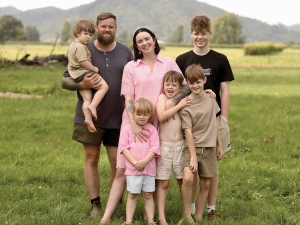
For Taupiri dairy farmers Logan and Sian Dawson, their involvement in the NZ Dairy Industry Awards has been a key catalyst in the growth of their business - the experience helping shape how they approach the farm ownership pathway they are pursuing today.
West Otago dairy farmer Luke Kane has been awarded the 2026 Rabobank Dr John Morris Business Development Prize.
OPINION: As the general election approaches, political parties are churning out policies in the hope of attracting more votes.
An LIC bull, Tronnoco AR Sadio-ET S3F, bred by Tony and Keri O'Connor of Tronnoco Farming Co Ltd near Timaru, has won the 2026 Mahoe Trophy.
With forecasters advising El Niño conditions will develop through winter and strengthen into spring and summer, Ballance Agri-Nutrients is encouraging farmers and growers to think ahead about nutrient planning and be prepared to work around challenging weather conditions.