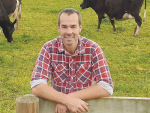
Cameron Henderson Reappointed Unopposed as DairyNZ Deputy Chair
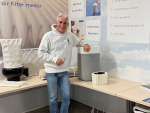
DairyNZ deputy chair Cameron Henderson has been re-appointed unopposed for another term.
 increase font size
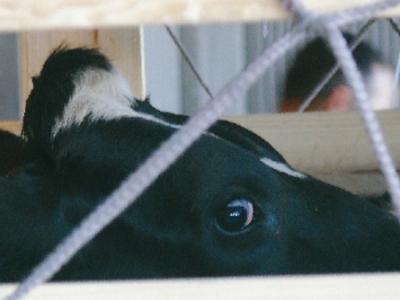 MPI has already amended the Animal Welfare Act and now the National Animal Welfare Advisory Council is working through regulations that come out of that and details on minimum standards.
Deciding which proposed animal welfare standards will become regulation and which will become 'guidance' is a priority concern for DairyNZ.
This is the message from Carol Barnao, general manager policy and advocacy.
MPI has already amended the Animal Welfare Act and now the National Animal Welfare Advisory Council is working through regulations that come out of that and details on minimum standards.
"The question is what needs to be in regulation and what can be in guidance," says Barnao.
"So the issue for us and dairy farmers is... what is the difference between the old system and what they are proposing right now?"
The "devil is in the detail", she says. They are looking at how practical the regulations are and testing proposals with farmers, and will go back to MPI with their views by the May 19 deadline.
Barnao believes the changes to the act, and now the regulations that come out of that, is a modernising strategy by the Government.
NZPork chairman Ian Carter says in general they support the proposals by MPI and respect requirements for farrowing and crate sizes. Farmers need to adapt to the size of their pigs. "That is well documented in the industry and we respect that."
NZPork is concerned about a proposal to bring back 'manipulative materials' such as straw. They have been breeding their animals for 50 generations (one year = one generation) without manipulative materials. Pigs are provided with a warm environment and specialist facilities for the piglets. They meet all the nesting behaviour needs, providing for them more hygienically than does straw.
Just as people want modern technology in their own lives, farming cannot go back to what it was hundreds of years ago, Carter says. New technologies have been developed as they gained more understanding of their animals, environmental and OSH requirements and the consumer.
The pork industry has invested considerably and developed special techniques and facilities for the breeding sow and the survival of her piglets. Safety is paramount, similar to the reasons humans have developed maternity hospitals.
DairyNZ deputy chair Cameron Henderson has been re-appointed unopposed for another term.
Rural leader Mark Hooper has been appointed as an independent director to the NZPork board, bringing extensive farming, governance and advocacy experience to the role.
OPINION: The stats speak for themselves.
Farms across the upper North Island are trialling different pasture mixes as part of a research programme that aims to build greater resilience into farming systems.
Election years are always a concerning time for farmers, according to DairyNZ chair Tracy Brown.



Now in its fourth year, the 2026 Fencing Industry Awards, formed part of the proceedings of the FCANZ Conference, held in Nelson during August.
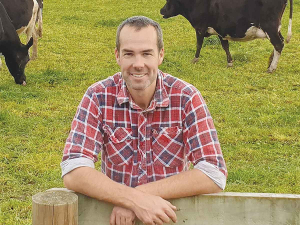
DairyNZ deputy chair Cameron Henderson has been re-appointed unopposed for another term.
OPINION: The stats speak for themselves.
Farms across the upper North Island are trialling different pasture mixes as part of a research programme that aims to build greater resilience into farming systems.
Election years are always a concerning time for farmers, according to DairyNZ chair Tracy Brown.
The Ballance Farm Environment Awards are coming to the West Coast of the South Island.