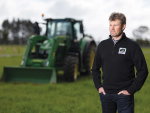
Positive vibe
Experienced trade negotiator Charles Finny believes reports relating to a free trade agreement with the UK are positive.
 increase font size
 Charles Finny.
Of the top five countries New Zealand trades with, it only has trade deals with two, an ExportNZ conference has heard.
“That leaves us very vulnerable,” says trade expert Charles Finny. “We don’t have links to those markets that others do.”
National trade spokesman Todd McClay had earlier pushed the case for NZ to forge ahead in doing deals with like-minded countries.
Of our top five goods export countries -- China, Australia, US, EU and Japan -- we only have trade deals with China and Australia, he told the Auckland conference held on September 21.
McClay says when we do trade deals we get it right and trade flows increase significantly in both directions, as has been the case with China. He says that FTA got NZ through the global financial crisis (GFC).
“To continue to offer opportunities to NZ we need more trade deals.”
EU commission president Jean-Claude Juncker has expressed a desire to have a trade deal with NZ within two years; “that will take a lot of hard work”, McClay added. He expects this will take “three years rather than two”.
NZ is one of only six WTO countries that don’t have a trade deal with EU.
McClay says with the UK we are in a good space since Brexit was announced last year. UK trade secretary Liam Fox confirmed earlier this year that NZ will be first cab off the rank with Australia for new FTAs once they got through Brexit.
Meanwhile, McClay says TPP11 is a high-quality deal.
“If we step back from that, we give up the position of leadership and respect for NZ as trade negotiators.”
Finny is not certain there’s a global trend towards protectionism. He says the US is looking inward, but would not necessarily describe Brexit as being actively anti-global.
“The Brits are accompanying their comments on Europe with a desire to negotiate FTAs with a number of other countries including NZ,” he says.
There was a protraction of international trade after the GFC, but we are coming out of that. We are seeing growth in international trade but “we have a lot of work to do”.
Finny says it is very interesting to see the leadership role currently being played by Japan.
“Some wouldn’t have believed it – maybe myself a few years ago – but Japan now is the real champion.”
NZEIR deputy chief executive John Ballingall says US protectionism is a worry, but we have to separate the rhetoric from what is on the ground. During a recent visit the overwhelming message he got from businesses and city and state level officials was that while they read the tweets from President Trump, it is not affecting them too much on the ground. The US economy is growing at 2%;- one commentator said it “was the most robust 2% they had ever seen”. Unemployment is down to 4.3%.
“As long as the new administration doesn’t do anything too ridiculous either on the foreign policy front or on the trade front, then I think the prospects for NZ into the US remain pretty solid,” says Ballingall.
Experienced trade negotiator Charles Finny believes reports relating to a free trade agreement with the UK are positive.

It's been a terrible 18 minths for exporters, according to international trade consultant Charles Finny.


National’s pledge to introduce 19 new national standards shows the party is serious about getting Wellington out of farming, Federated Farmers says.
The National Party’s policies to make it easier to grow fresh vegetables, secure reliable water and energy and simplify farm planning are practical changes that will give growers the confidence to invest, according to Horticulture New Zealand (HortNZ).
Fonterra Co-operative Group chief financial officer Andrew Murray has resigned to take up a role outside the dairy giant.
A major move is about to get underway to improve the quality and viability of dairy beef and cattle in NZ.
Veterinarians say changes to the code of welfare for dairy cattle provides a positive foundation for improved cattle welfare across the country.
Today, 15 October, is the International Day of Rural Women, which recognises rural women’s contribution to farming, communities and the environment.