
Bremworth reintroduces solution-dyed nylon while backing wool carpets
Carpet maker Bremworth is reinstating solution-dyed nylon (SDN) into its product mix but says wool carpets remain central to its brand.
 increase font size
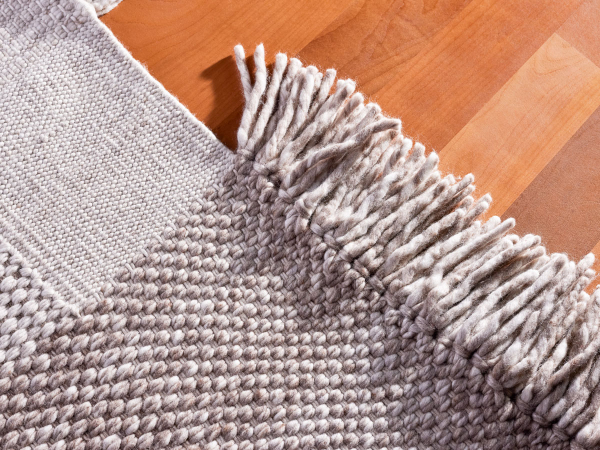 The development of fully compostable carpet that can be mass-produced in a financially viable way would be transformational for New Zealand’s wool exports, says Bremworth chief executive Greg Smith.
The development of a prototype rug which contains no plastic materials could bring New Zealand’s wool export industry closer to mass production of fully compostable carpets.
According to data from the Ministry for the Environment, textiles, including carpet, make up approximately 5% of New Zealand landfill volumes with over 186,000 tonnes entering the waste stream each year.
Greg Smith, Bremworth chief executive, says the development of fully compostable carpet that can be mass-produced in a financially viable way would be transformational for New Zealand’s wool exports.
He says the three-year research initiative was launched as a response to consumer demand for an environmentally sound, end-of-life solution for carpet.
“We know there has been a post-pandemic shift in the way our international customers are seeing New Zealand wool, with a growing number looking to integrate natural fibre products into their home environment.
“While design and quality remain key drivers for most segments, what happens at the end of a product’s useful life is becoming an increasingly important factor in the purchase decision.”
He says that ultimately, for New Zealand wool products to carry a price premium in key export markets, the sector needs to invest in the creation of added-value products.
“Our latest research initiative is designed to help us build a product range which can be meaningfully reused or naturally returned to the earth in a way that resonates with our customer base - without compromising the design and performance that they care about,” he says.
Dr Kristine Hulse, sustainability lead at Bremworth, says while wool is a natural fibre which can break down due to its organic composition, most wool carpets use a polypropylene backing and latext which contain synthetic materials – preventing the product from being composted.
She says the new rug, which is hand woven from natural materials including sheep wool and alpaca fibres, was created as part of a rapid prototyping research initiative – designed to test a number of sustainability concepts in textile design.
Each step in the programme is designed to address barriers preventing carpet from completely breaking down at the end of its life.
“By preserving the natural integrity of the fibre we can increase the number of opportunities for product circularity, increase the number of secondary uses for used carpet and significantly reduce volumes of textiles entering the landfill,” she says.
Hulse says crossbred sheep and alpaca fibres were used in the first prototyping process to provide a broader range of colours but more trials are underway to find alternatives to the use of alpaca yarn – which is in limited supply in New Zealand.
Carpet maker Bremworth is reinstating solution-dyed nylon (SDN) into its product mix but says wool carpets remain central to its brand.
Premium wool carpet maker Bremworth is being sold to the world's largest flooring company.
A 50% tariff slapped by the US on goods from India last month has opened an opportunity for New Zealand wool carpets exports to North America.
Listed carpet manufacturer, Bremworth is undertaking a $6 million expansion at its Napier plant more than two years after the site was heavily damaged by Cyclone Gabrielle.
State-owned social housing provider Kainga Ora is switching to wool carpet for its new homes.

Horticulture New Zealand’s Board has welcomed the re-election of grower-elected directors Alistair Petrie and Doug Brown.
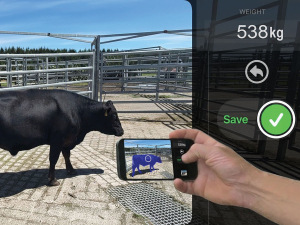
The bright ideas of New Zealand's primary sector have been celebrated with an announcement of the winners of the 2026 Innovation Awards.
Newly appointed Federated Farmers vice president Sandra Faulkner says she is honoured and excited to hold the role.
New Zealand's top fencers were out in force at National Fieldays this month, demonstrating their skills with the ever-reliable number 8 wire.
New Federated Farmers president Colin Hurst says he will ensure that farmer voices are heard loud and clear wherever decisions are being made.
Paynes Titus Excelsior ET, an LIC bull bred by Brad Payne and Claire Brodie in the Waikato, has won the JT Thwaites Sire of the Season 2026 Award.