NZKGI Responds to Migrant Worker Exploitation Reports
Where any worker in the kiwifruit industry is mistreated, we expect the authorities to take action.
 increase font size
 NZKGI chief executive Colin Bond
New Zealand Kiwifruit Growers Incorporated (NZKGI) will appeal a recent High Court decision that will allow a licence to grow SunGold Kiwifruit to be included in the value of land, and, therefore, growers’ property rates.
The ruling could have major ramifications for the industry.
The case concerns the Bushmere Trust, which owns a 5.859 hectare property northwest of Gisborne. The Trust holds a licence from Zespri to grow sell SunGold, Gold3 or G3 kiwifruit.
The Land Valuation Tribunal held that the value of the licence needed to be deducted from the capital value of the property, putting its value at one equivalent to that of a green kiwifruit orchard.
The Gisborne District Council, supported by the Valuer-General, appealed that decision, taking it to the High Court.
The High Court ruled that the capital value (the price paid for an asset or group of assets) includes the value of the land as enhanced by the licence.
“Accordingly, under the Ratings Valuations Act 1998… the rateable value of the property includes the value of the SunGold licence,” the court ruled.
This would mean that the property value includes the value of the licence.
NZKGI chief executive Colin Bond says his organisation is disappointed by the decision.
He says NZKGI has advocated strongly on behalf of growers and recognises the importance of these proceedings as they are precedent-setting.
“Increasing industry costs can make the kiwifruit industry a less attractive investment and reduce growers spend in local communities, ultimately impacting upon economies across New Zealand,” says Bond.
He says Gisborne growers return over $80 million to the Gisborne economy and should be supported by their council.
“In 2022, growers paid a median of $921,150 (incl. GST) per hectare for SunGold licence.”
“The result is not just an issue for kiwifruit growers in the Gisborne district as the decision could be wide-ranging with other councils across New Zealand indicating that they will follow suit,” says Bond.
He adds that the case has been eagerly watched by other sectors of the horticultural industry who are concerned other local councils might adopt a similar approach.
“NZKGI will continue to advocate for growers in this space and seek leave to appeal from the High Court for this test case.”
Horticulture New Zealand chief executive Nadine Tunley says her organisation supports NZKGI’s decision to appeal the ruling.
“We are concerned that this ruling could be applicable to councils across New Zealand and expanded to other licenced crops.”
Where any worker in the kiwifruit industry is mistreated, we expect the authorities to take action.

Kiwifruit growers are watchful but remain optimistic as concerns around the potential effects of the El Niño weather pattern this season.
More signs of a booming kiwifruit sector.
Blueberries have the potential to become a major horticultural export, earning up to $150 million within the next three to five years.
Signs for the 2026-27 kiwifruit crop look good, but there are still some challenges for growers – especially those who produce green kiwifruit.


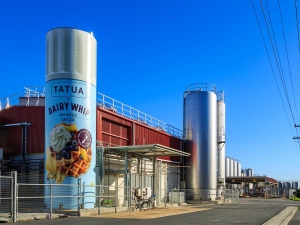
Waikato milk processor Tatua has again declared a record milk payout to farmer shareholders, leaving other processors in the dust.

A Labour-led Government won’t be bringing back the controversial freshwater rules of 2020.
National’s much-touted free trade deal with India featured in the Rural Issues Debate at Mystery Creek, Hamilton on Wednesday night.
New Zealand's 2026-27 freshwater fishing season has opened, with anglers encouraged to head to rivers and lakes over the coming days as conditions look favourable across much of the country.
Central Otago District Council (CODC) has voted against a plan to spread treated sewage sludge from Cromwell and Alexandra on farmland near Lauder, a decision Federated Farmers says reflects strong opposition from rural residents.
Pāmu has released its FY26 Integrated Annual Report, reporting a Net Operating Profit of $113 million, more than double the $49 million recorded in FY25.