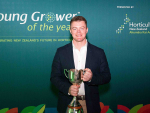
James Blair Named 2026 Young Grower National Champion
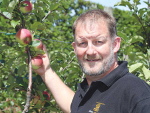
James Blair, an agronomist for AS Wilcox and the Pukekohe regional champion, has won the 2026 Young Grower national title.
 increase font size
 Mike Chapman.
Horticulture NZ is pleading with the Government to allow independent fruit and vegetable retailers to remain open as the wider Auckland region undergoes another COVID lockdown.
The grower organisation has written to Prime Minister Jacinda Ardern to express grower concerns about independent fruit and vegetable retailers are not classified as essential services under COVID-19 Alert Level 3 and 4.
Hort NZ points out to the PM that fresh fruit and vegetables sold through independent retailers are different grades than sold in supermarkets and often at more affordable prices.
“Independent retailers also sell culturally significant fresh fruit and vegetables in their communities (that aren’t readily available in supermarkets) that form the staple diets of different ethnic groups in New Zealand,” the letter adds.
Hort NZ also claims that when New Zealand was in Alert Level 4 and 3 earlier this year, households were significantly impacted by not having access to purchase fresh fruit and vegetables from independent retailers, especially lower income households.
“In lower socioeconomic areas … a portion of the population needs walking access to retailers selling fruit and vegetables. This issue is exacerbated by many households facing financial hardship since lockdown due to loss of employment and other pressures.”
Hort NZ’s letter also tells the PM that the closure of independent retailers not only impact consumers, but the horticulture industry as well.
“The closure of independent retailers during lockdown resulted in an excess of fruit and vegetables that could not enter the supply chain. This loss of access resulted in direct financial loss to growers from failure to sell their products, causing some to exit the industry and delay or reduce replanting.”
Hort NZ believes that to maintain adequate supply of affordable fresh fruit and vegetables to all New Zealanders, it is critical that both supermarkets and independent retailers are able to operate if they are able to demonstrate they can do so using COVID-19 safe practices.
“The horticulture industry sincerely requests that the Government re-considers their decision not to recognise independent retailers as essential services. We ask that a decision is made to consistently apply to all independent retailers to ensure New Zealanders have access to affordable fresh fruit and vegetables across the country.”
James Blair, an agronomist for AS Wilcox and the Pukekohe regional champion, has won the 2026 Young Grower national title.
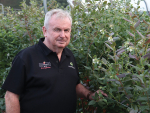
Blueberries have the potential to become a major horticultural export, earning up to $150 million within the next three to five years.
New Zealand needs to make sure that it continues to focus on its own food security, according to HortNZ board member and blueberry grower Dermott Malley.
According to a progress report on the Aotearoa Horticulture Action Plan (AHAP), New Zealand's horticulture sector is making real progress on the big issues facing growers.
Horticulture New Zealand’s Board has welcomed the re-election of grower-elected directors Alistair Petrie and Doug Brown.



Fonterra Co-operative Group chief financial officer Andrew Murray has resigned to take up a role outside the dairy giant.
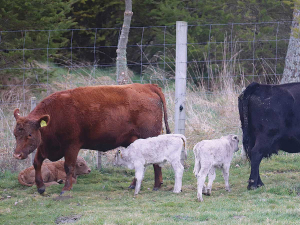
A major move is about to get underway to improve the quality and viability of dairy beef and cattle in NZ.
Veterinarians say changes to the code of welfare for dairy cattle provides a positive foundation for improved cattle welfare across the country.
Today, 15 October, is the International Day of Rural Women, which recognises rural women’s contribution to farming, communities and the environment.
Global dairy giant Lactalis has integrated its Australian operations with the Mainland Dairy consumer business it acquired from Fonterra earlier this year.
High country stations, mixed sheep and beef farms, Māori-owned farms, corporates and family operations are among the nine commercial farms taking part in the Livestock Innovation Farming Transformation programme, known as LIFT.