AHAP Progress Report Shows NZ Horticulture Building Real Momentum
According to a progress report on the Aotearoa Horticulture Action Plan (AHAP), New Zealand's horticulture sector is making real progress on the big issues facing growers.
 increase font size
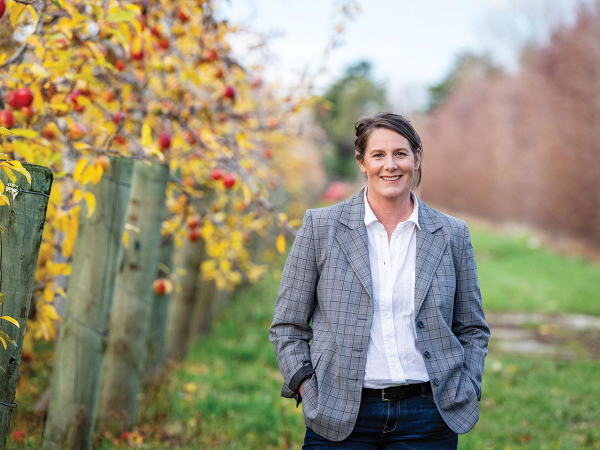 HortNZ chief executive Kate Scott.
Reflecting on the past year, Horticulture New Zealand chief executive Kate Scott says there has been a lot to celebrate.
She says it’s hard to ignore the success of kiwifruit this year which has had wonderful growth and continues to be the backbone of the hort sector in NZ.
“But then when we look at apples, they too have had a great year as well pushing through that one billion dollar mark,” she told Hort News.
“I think that is testament to apple growers, particularly if they have been recovering from the effects of Cyclone Gabrielle,” she says.
Scott says at the end of last year there was a wonderful celebration of 20 years of HortNZ at Parliament which drew in people from across the sector. She says the past 20 years have been great because they brought the whole of the sector together and enabled it to promote how valuable horticulture is to the community and the rest of the world.
The Focus for 2026
Climate change adaptation is an area Kate Scott believes there is a need for more work to be done.
She says HortNZ will frame up a project around this. She says there is a need to better understand the challenges around this.
"We only have to look at how horticulture continues to be impacted by changing adverse weather events - so what does that look like in terms of supporting growers on the ground to recover from those events and be ready to grow through them and be stronger at the end of them?" she says.
Scott says adverse climatic events particularly affect those of our growers who are more domestically focused.
Also on Scott's agenda for 2026 is the range of regulatory challenges that many vegetable growers will have to navigate. She says there's the issue around pricing in supermarkets which is something HortNZ hears from them on a regular basis.
RMA changes are also front of mind for HortNZ, says Scott.
She says the Government's plan to roll over some consents until the new regulations are in place is a good outcome for growers.
She says, for example, several growers have water permits that are due to expire between now and when the new system is introduced and says for them it will give a little bit of certainty that they can continue to operate without having to go through an uncertain consent process.
"This is certainly beneficial to them," she says.
In terms of the RMA, Scott thinks some of the proposed changes coming through are a step in the right direction but warns that the devil is always in the detail
According to a progress report on the Aotearoa Horticulture Action Plan (AHAP), New Zealand's horticulture sector is making real progress on the big issues facing growers.

Agriculture Minister Todd McClay has admitted that a scheme bringing workers from Pacific nations to work on orchards has become too hard to navigate but says changes are coming.
Horticulture NZ says the funding boost to improve state highway resilience will support growers and strengthen the transport links they rely on to get produce to market.
Horticulture New Zealand (HortNZ) is inviting applications for scholarships places on its 2026 Leadership Programme.
The horticulture sector is under threat because of vulnerabilities of the country's transport infrastructure, according to a report commissioned by a collective representing a range of groups in the sector.


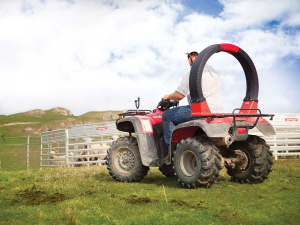
When Northland leather worker Vernon Suckling started making horse saddles 50 years ago, quad bikes and side-by-side vehicles were unheard of.
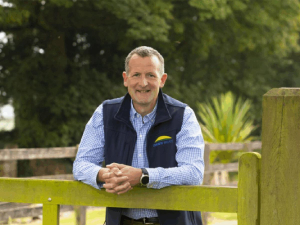
Alliance Group has confirmed that eligible farmer-shareholders who supply and continue to back the business will receive up to $20 million later this year, following the strategic investment partnership with Dawn Meats.
With a general election under five weeks away, Rural News is asking major political parties about their policies and positions on key issues facing the primary sector. We will run their responses to each question over the next four weeks. The ACT Party and the Greens didn't respond in time.
The red meat sector is in great heart.
Dr Scott Champion, Foundation for Arable Research chief executive, says that everyone in the supply chain had a role to play in driving the sector's long-term success.
Entries opened on Monday, 5 October 2026 for the 2027 New Zealand Dairy Industry Awards (NZDIA), which organisers describe as the nation's biggest celebration of excellence in the dairy sector.